Defining a USDC remittance strategy
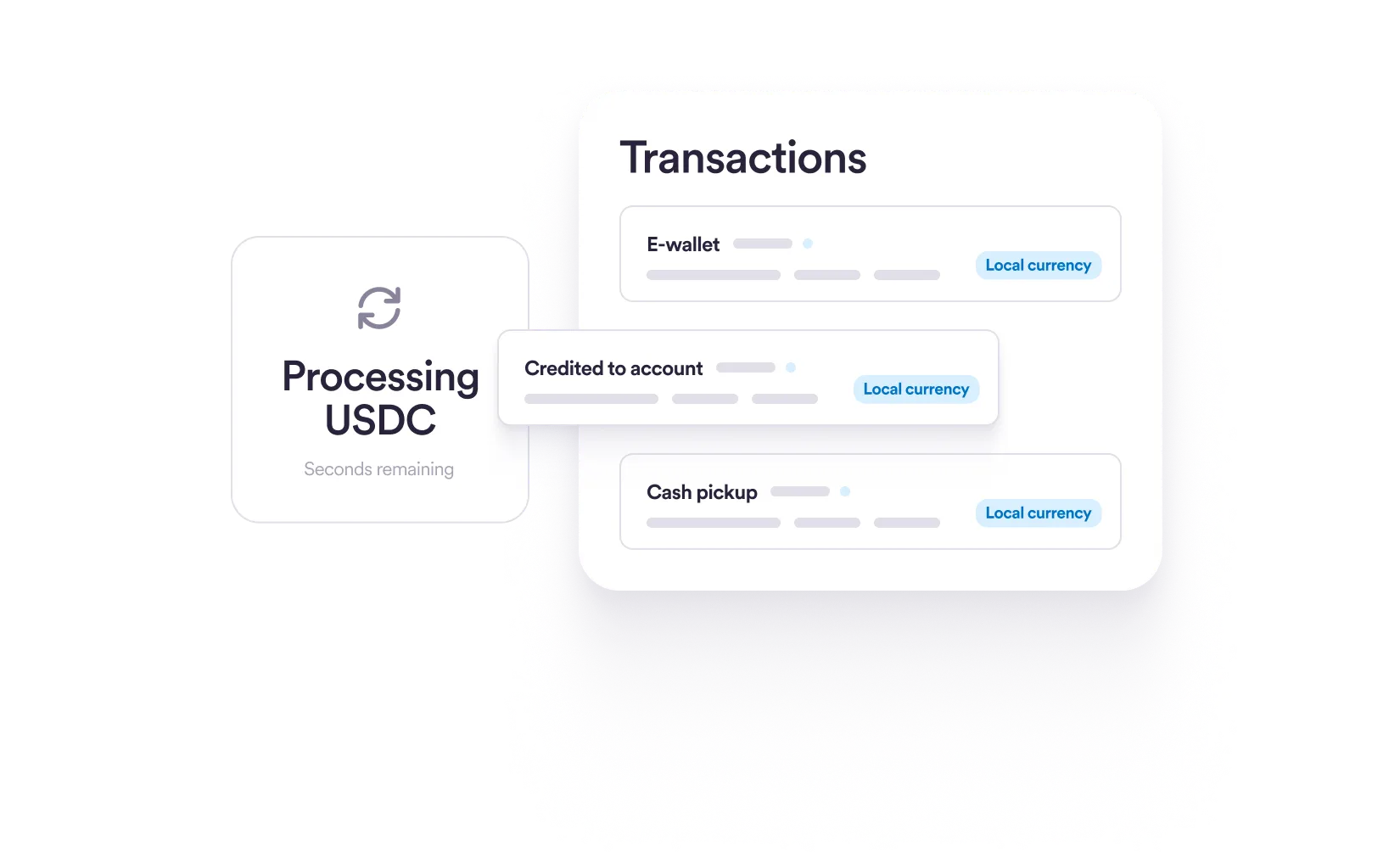
A USDC remittance strategy replaces traditional banking rails with blockchain infrastructure to move money faster and cheaper. Instead of waiting days for SWIFT transfers to clear, USDC settles in seconds on networks like Solana, Ethereum, or Polygon. This shift matters most when sending small to medium amounts where flat banking fees eat into the principal.
The core mechanic relies on USDC’s peg to the US dollar. Each token is backed by short-term US Treasuries and cash held in segregated accounts, ensuring the value remains stable during transit. Recipients can hold the stablecoin or convert it to local fiat through integrated on-ramps, avoiding the volatility associated with Bitcoin or Ethereum.
Cost and speed choices that change the plan
The primary advantage is speed. While a standard wire transfer might take 3-5 business days, USDC transfers confirm in minutes, regardless of weekends or holidays. Costs are also significantly lower, often fractions of a cent on Layer 2 networks, compared to 3-5% in traditional remittance fees.
However, this strategy requires digital literacy. Senders need a crypto wallet and must purchase USDC using fiat methods like debit cards or bank transfers. Recipients must also have a way to cash out. For families in regions with limited banking access, this infrastructure can be transformative, but it introduces operational complexity that traditional wires avoid.
When to Use USDC for Remittances
Use USDC when speed is critical and the recipient has digital wallet access. It is ideal for emergency funds, freelance payments, or regular family support where transaction frequency outweighs the learning curve. Avoid it for one-time, large institutional transfers where established banking relationships and regulatory compliance are already in place.
KeyTakeaways items=["USDC settles in minutes, not days"]
Usdc remittance strategy choices that change the plan
Choosing USDC for cross-border settlements requires balancing speed, cost, and regulatory friction. While traditional wire transfers offer familiar banking rails, they often suffer from slow settlement times and opaque fees. USDC provides near-instant finality on-chain, but the user experience depends heavily on how you enter and exit the network.
Cost and speed comparison
The primary advantage of stablecoin infrastructure is the reduction of intermediary layers. Traditional services like Western Union or SWIFT involve multiple correspondent banks, each taking a cut. USDC moves value peer-to-peer or through streamlined fintech rails. Below is a comparison of typical tradeoffs for remittance flows.
| Method | Settlement | Typical Fee | Primary Risk |
|---|---|---|---|
| SWIFT Wire | 1-5 days | $15-$50 + FX spread | Counterparty & FX |
| Western Union | Minutes (cash) | 5-10% of value | Cash handling |
| USDC via Fintech | Seconds | <$1 network fee | Exchange solvency |
| USDC Direct | Seconds | Gas fees only | User error |
Choosing the right entry point
For most remitters, the decision hinges on whether to use a regulated fintech intermediary or manage the crypto directly. Platforms like Stripe or Eco allow businesses to send USDC without touching the underlying blockchain, reducing technical risk but adding a service layer. Direct on-chain transfers minimize fees but require users to manage wallets and understand gas costs.
Regulatory and liquidity considerations
USDC remains pegged to the dollar because Circle holds reserves in cash and short-term US Treasuries, audited regularly. This transparency supports its use in high-stakes financial flows. However, liquidity varies by region. In markets with deep USDC trading pairs, slippage is negligible. In emerging markets, finding a local exchange to convert USDC to fiat may introduce delay or spread costs that erode the savings.
Final decision framework
If your priority is absolute speed and low cost for high volumes, USDC via a fintech rail is the optimal choice. For small, one-off personal transfers where the recipient prefers cash pickup, traditional services may still offer convenience despite higher fees. Always verify the local exit liquidity before committing to a stablecoin strategy.
Choose the right USDC remittance path
Selecting a USDC remittance strategy requires matching the settlement layer to your specific volume, cost constraints, and destination region. While the underlying infrastructure is identical, the user experience and total landed cost vary significantly between direct on-chain transfers and regulated gateway services.
Direct on-chain settlement
Direct on-chain transfers offer the lowest marginal cost and fastest finality, making them ideal for high-volume B2B payments or tech-savvy individuals. By moving USDC directly on networks like Solana or Ethereum L2s, senders avoid intermediary fees. However, this method requires recipients to manage digital wallets and navigate volatility in local fiat on-ramps. It is best suited for users who prioritize speed and cost over traditional banking interfaces.
Regulated gateway services
Regulated gateways like BCRemit or Eco bridge the gap between crypto and traditional finance. These platforms handle the fiat conversion and compliance layers, allowing senders to pay via card or bank transfer while recipients receive local currency. This approach sacrifices some cost efficiency for convenience and regulatory safety. It is the preferred choice for retail remittances where the recipient may not hold a cryptocurrency wallet.
Decision framework
Use this checklist to determine the optimal approach for your cross-border payments:
- Volume: High volume (> $10k/month) favors direct on-chain for cost savings. Low volume favors gateways for ease of use.
- Recipient Tech Literacy: If recipients lack crypto experience, use a regulated gateway.
- Speed Requirements: Direct on-chain offers near-instant finality. Gateways depend on local banking rails (1-3 days).
- Compliance Needs: Gateways provide built-in KYC/AML. Direct transfers require self-managed compliance.
| Feature | Direct On-Chain | Regulated Gateway |
|---|---|---|
| Cost | Low (network fees only) | Medium (conversion + platform fee) |
| Speed | Seconds | Minutes to Days |
| Recipient UX | Requires Crypto Wallet | Fiat Bank Account |
| Compliance | Self-Managed | Platform-Managed |
Common USDC Remittance Pitfalls
Stablecoin remittance infrastructure is mature, but specific operational choices can still erode margins or delay settlement. The following breakdown highlights weak options and misleading claims to avoid when structuring your 2026 cross-border strategy.
Ignoring the On-Ramp Friction
Many providers claim "instant" transfers, but this usually refers only to the on-chain leg. The bottleneck is often the fiat on-ramp. If your users must wait for ACH clearance (2-3 days) before USDC is even issued, you lose the speed advantage. Look for providers offering real-time debit card or instant bank transfer integration to bridge fiat to USDC within seconds. Without this, you are just moving slow money on a fast blockchain.
Overlooking Network Congestion Fees
Not all blockchains are created equal for high-volume remittance. Sending USDC on Ethereum mainnet during peak hours can cost $5-$20 per transaction, making small transfers economically unviable. Layer-2 solutions or alternative L1s like Solana or Stellar offer sub-cent fees and faster finality. Always compare the effective cost per transaction, not just the exchange rate, when selecting your settlement layer.
Misunderstanding the Peg Mechanism
A common mistake is assuming USDC is "algorithmically" stable. It is not. USDC is fully backed by short-term U.S. Treasuries and cash equivalents held in segregated accounts. This means its stability is tied to the health of traditional banking reserves, not code. If you are hedging against systemic risk, understand that USDC carries counterparty risk from its custodians, unlike decentralized stablecoins which carry smart contract risk.
Weak Option: Relying on Single-Provider Liquidity
Some platforms route all USDC liquidity through a single OTC desk. This creates a single point of failure for slippage and pricing. Diversify your liquidity sources across multiple exchanges and OTC desks to ensure you get the best mid-market rate regardless of market volatility.
Usdc remittance strategy: what to check next
Before committing to a stablecoin infrastructure, it helps to clarify how the mechanics work and what costs are actually involved. The answers below address the most common practical objections and technical details for 2026.
Helpful gear
Use these product recommendations as a starting point, then choose the size, material, and price point that fit how you actually use the gear.

As an Amazon Associate, we may earn from qualifying purchases.
No comments yet. Be the first to share your thoughts!