Usdc remittance strategy limits to account for
USDC remittance strategy faces a specific tradeoff between speed and regulatory clarity. Unlike traditional wire transfers that rely on correspondent banking networks, stablecoin flows convert local currency to USDC, move it across a blockchain, and settle it in minutes. This infrastructure upgrade eliminates the multi-day settlement lag typical of SWIFT, but it introduces new operational requirements for both senders and recipients.
The primary constraint is not technology, but compliance. USDC is fully collateralized and regulated, making it generally safer than alternatives like USDT, which lacks full transparency and regulatory oversight. This safety profile appeals to institutional players, but it also means strict adherence to KYC/AML protocols. For individual users, this can add friction to the onboarding process, potentially offsetting the speed advantages if the user base is not tech-savvy.
Cost efficiency is the other major factor. Blockchain-powered platforms have demonstrated that USDC remittance models can cut transfer costs by up to 50% compared to traditional money transfer services. However, these savings depend heavily on the blockchain network used (e.g., Solana vs. Ethereum mainnet) and local liquidity. If the recipient’s local exchange has poor liquidity, the final fiat conversion rate may erode the initial savings.
Evaluating usdc remittance choices that change the plan
Choosing a stablecoin remittance strategy requires balancing speed, cost, and regulatory certainty. Unlike traditional money transfer operators (MTOs) that rely on correspondent banking networks, USDC enables near-instant settlement on public blockchains. This shift fundamentally alters the tradeoff landscape: you gain speed and lower fees but must manage wallet security and on-ramp friction.
The core decision rests on which layer of the remittance stack you control. Are you building a platform, or are you an end-user? For platforms, the tradeoff is between integrating direct blockchain rails versus using regulated fiat on-ramps. For users, it is between custody self-sovereignty and the convenience of centralized exchanges.
Cost and Speed Comparison
The following table compares USDC remittances against traditional MTOs (like Western Union) and other stablecoins (USDT) based on current market data and official case studies.
| Factor | USDC | Traditional MTO | USDT |
|---|---|---|---|
| Settlement Time | 2-10 minutes | 1-3 business days | 2-10 minutes |
| Average Fee | <$0.10 (gas + network) | 5-10% of value | <$0.10 (gas + network) |
| Regulatory Oversight | High (Circle, US-regulated) | High (Licensed MTOs) | Lower (Tether, offshore) |
| Liquidity | High (Major exchanges) | N/A | Very High (Global P2P) |
Tradeoffs by Use Case
For High-Volume Corporate Payrolls USDC is generally preferred over USDT due to Circle’s regulatory compliance and transparent reserves. For payroll, predictability and auditability matter more than the marginal liquidity differences. USDC’s integration with major financial infrastructure allows for smoother accounting reconciliation.
For Peer-to-Peer (P2P) Remittances USDT often dominates in regions with strict capital controls or limited USDC on-ramp support. While USDC is safer, USDT’s deeper liquidity in P2P markets can mean faster access to local currency for recipients in emerging economies. However, this comes with higher regulatory risk.
For Low-Value Micro-Remittances Gas fees on Ethereum mainnet can eat into small transfers. Use Layer 2 networks (like Base or Arbitrum) for USDC to keep costs near zero. Traditional MTOs are non-viable for amounts under $50 due to fixed minimum fees.
Decision Framework
- Prioritize Compliance? Choose USDC. It offers the clearest regulatory path for institutional adoption.
- Prioritize Speed and Low Cost? Use USDC on Layer 2 networks.
- Prioritize Liquidity in Restricted Markets? USDT may be necessary, but verify local risks.
Build a USDC Remittance Strategy
Stablecoin remittance moves money by converting local currency into a digital dollar, sending it across a blockchain, and converting it back at the destination. This flow cuts settlement time from days to minutes and reduces costs by up to 50% compared to traditional money transfer operators. However, choosing the right infrastructure requires balancing speed, compliance, and cost.
Use this decision framework to select the right USDC remittance strategy for your specific use case.
Start by defining your tolerance for transaction fees and settlement latency. Traditional corridors often charge 5-10% in fees, while USDC infrastructure can drop this to under 1%. Determine if your recipients need instant liquidity or if a 15-minute window is acceptable. This baseline dictates whether you need high-throughput layer-2 networks or can rely on standard Ethereum mainnet.

Security begins with the entry and exit points. USDC is generally considered safer than USDT because it is fully collateralized and regulated by US financial authorities. Partner with providers like Circle or integrated platforms such as BCRemit that offer direct fiat on-ramps. This ensures compliance with anti-money laundering (AML) laws while maintaining the transparency of the underlying blockchain.
Not all blockchains are equal for remittance. While Ethereum offers security, its gas fees can make small transfers uneconomical. Consider layer-2 solutions or alternative chains like Solana or Polygon for lower costs. Verify the finality time—the time it takes for a transaction to be irreversible. For remittances, you want near-instant finality to ensure recipients receive funds immediately without the risk of chain reorgs.
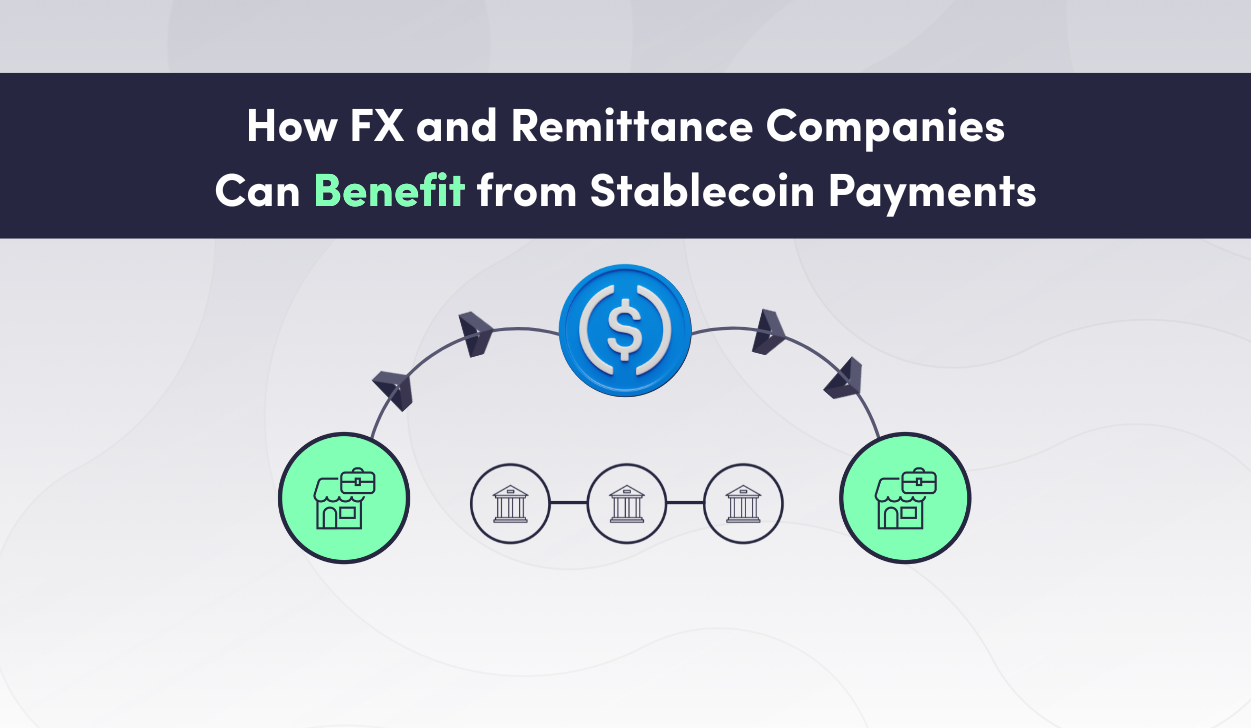
Your strategy must account for how recipients cash out. Direct bank deposits are ideal but require integration with local banking partners. Alternatively, partner with local exchange providers who can buy USDC from recipients and pay them in local currency via mobile money or cash pickup. Ensure these partners have sufficient liquidity to avoid delays during high-volume periods.
| Feature | Traditional Transfer | USDC Infrastructure |
|---|---|---|
| Cost | 5-10% | <1% |
| Speed | 2-5 days | Minutes |
| Transparency | Low | High |
| Regulation | High | Varies by provider |
The choice between traditional and USDC remittance often comes down to volume and frequency. For occasional, small transfers, the friction of setting up a crypto wallet may outweigh the cost savings. For frequent, higher-value transfers, USDC infrastructure offers a clear advantage in both speed and cost. Always verify that your chosen provider maintains strict regulatory compliance to protect your funds and reputation.
Avoid the weak options
Use this section to make the USDC Remittance Strategy decision easier to compare in real life, not just on paper. Start with the reader's actual constraint, then separate must-have requirements from details that are merely nice to have. A practical choice should survive normal use, maintenance, timing, and budget. If a recommendation only works in an ideal situation, call that out plainly and give the reader a fallback path.
The simplest way to use this section is to write down the must-have criteria first, then compare each option against those criteria before weighing nice-to-have features.
Frequently asked: what to check next
Helpful gear
Use these product recommendations as a starting point, then choose the size, material, and price point that fit how you actually use the gear.


As an Amazon Associate, we may earn from qualifying purchases.
No comments yet. Be the first to share your thoughts!