USDC Remittance Market Size and Growth Trajectory
The global remittance market is vast, with the World Bank estimating total flows at roughly $685 billion in recent years and projecting growth to $1.33 trillion by 2032. This massive volume represents the traditional baseline for cross-border value transfer, dominated by legacy corridors and incumbent providers. However, the specific segment relevant to USDC and crypto-powered rails is growing even faster, driven by the demand for speed and lower costs that traditional banking systems struggle to match efficiently.
The digital remittance market, which serves as the primary entry point for stablecoin adoption, is valued at approximately $16.79 billion in 2026 and is projected to reach $150.53 billion by 2035. This exponential growth trajectory highlights a structural shift in how funds move across borders. Rather than displacing the entire traditional market, USDC and other stablecoins are capturing the high-value, high-frequency segments where speed and transparency are prioritized over legacy brand trust.
In the United States alone, the digital remittance market is valued at around $150 billion, fueled by rising immigrant populations and a growing preference for digital platforms. This domestic demand creates a fertile environment for USDC, which offers instant settlement and 24/7 availability. The convergence of these macro trends suggests that USDC is not merely a niche alternative but a core component of the future remittance infrastructure, particularly for corridors where traditional settlement times and fees remain prohibitive.
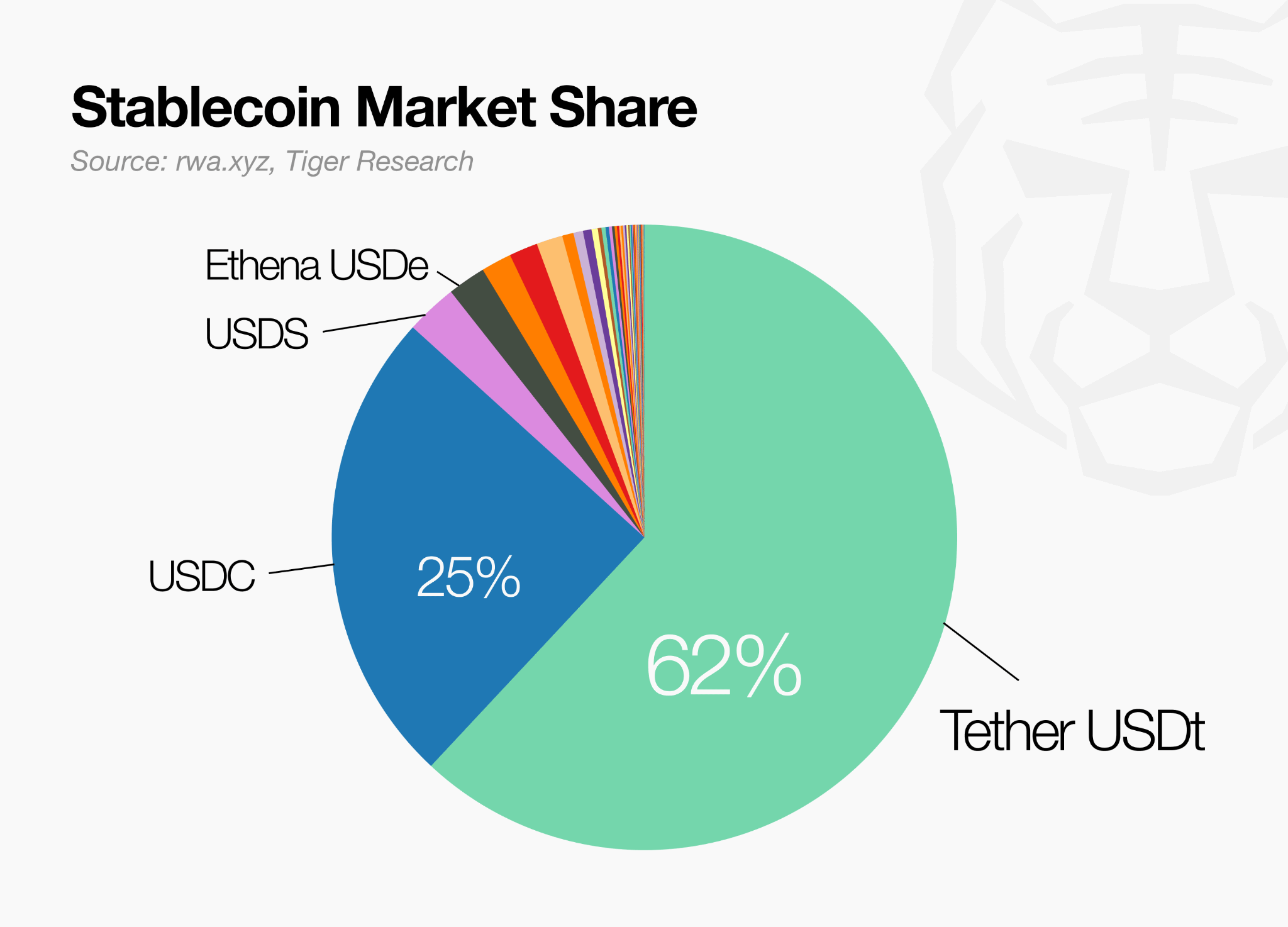
To understand the broader financial context in which USDC operates, it is useful to look at the underlying asset class. The stability and liquidity of the broader digital asset market often correlate with remittance volume, as traders and users seek safe havens or efficient transfer methods during market volatility.
The "holy grail" of cross-border payments, as defined by financial experts, is a solution that is immediate, cheap, universal, and settled in a secure medium. USDC aims to meet this definition by leveraging blockchain infrastructure to bypass the multi-day settlement cycles of correspondent banking. As the digital remittance market expands, the integration of stablecoins into mainstream payment rails will likely accelerate, further solidifying USDC's role in the global financial ecosystem.
The shift from legacy rails to on-chain settlement
Cross-border payments have long been held back by the friction of correspondent banking. For decades, the infrastructure relied on a chain of intermediaries, each taking a cut and adding days to the settlement process. This legacy model is expensive and opaque. The World Bank notes that global remittance fees average around 6.3%, with some corridors costing even more. For families relying on these funds, that margin matters.
USDC is changing this dynamic by replacing the relay race with a direct line. Instead of routing through multiple banks and clearinghouses, transactions settle on-chain. This shift offers 24/7 availability, a stark contrast to the banking hours that constrain traditional systems. The speed is immediate, and the cost is significantly lower. Circle’s case study with BCRemit highlights this efficiency, showing transfer fees dropping to approximately 1% compared to the global average. This isn't just a minor tweak; it's a structural overhaul of how value moves across borders.
The "holy grail" of cross-border payments has always been a solution that is immediate, cheap, universal, and settled in a secure medium. On-chain settlement via USDC moves closer to that ideal. It removes the need for pre-funded nostro accounts and reduces counterparty risk. As fintech platforms and banks integrate stablecoins, the infrastructure is becoming less about moving money and more about moving data. The result is a faster, cheaper, and more transparent system for global commerce.
The stability of USDC is critical to this adoption. Unlike volatile cryptocurrencies, stablecoins are pegged to the US dollar, providing the predictability needed for business and personal remittances. This stability, combined with the speed of blockchain settlement, makes USDC a practical tool for modern remittances. As the infrastructure matures, we can expect more institutions to adopt this rail, further driving down costs and increasing access for the unbanked.
Cost comparison: USDC vs traditional rails
Use this section to make the USDC Remittance Market Research decision easier to compare in real life, not just on paper. Start with the reader's actual constraint, then separate must-have requirements from details that are merely nice to have. A practical choice should survive normal use, maintenance, timing, and budget. If a recommendation only works in an ideal situation, call that out plainly and give the reader a fallback path.
| Factor | What to check | Why it matters |
|---|---|---|
| Fit | Match the option to the primary use case. | A good deal still fails if it does not fit the job. |
| Condition | Verify age, wear, and service history. | Hidden condition issues erase upfront savings. |
| Cost | Compare purchase price with likely upkeep. | The cheapest option is not always the lowest-cost option. |
Building a USDC Settlement Strategy
For fintechs and enterprises, the shift toward USDC is less about speculation and more about fixing broken settlement rails. Traditional cross-border payments are plagued by fragmentation, opaque fees, and delayed liquidity. By integrating USDC, businesses can bypass the multi-layered correspondent banking network, treating stablecoins as a direct bridge between origin and destination.
The infrastructure behind this shift is maturing rapidly. Platforms like Circle Mint provide the necessary compliance and liquidity layers, allowing businesses to mint and redeem USDC directly against bank deposits. This integration reduces FX friction by holding value in a stable, programmable asset rather than moving fiat through multiple intermediaries. The result is a settlement environment that is both faster and significantly cheaper.
Consider the economics of transfer. While the global average for remittance fees hovers around 7%, early adopters leveraging USDC infrastructure have reported costs dropping to approximately 1%. This isn't just a marginal improvement; it's a structural advantage that allows businesses to offer competitive rates while maintaining healthy margins. The 24/7 availability of blockchain settlement further eliminates the delays caused by weekends and holidays, ensuring liquidity is always accessible.
"The holy grail of cross-border payments is a solution allowing cross-border payments to be immediate, cheap, universal, and settled in a secure settlement medium."
To implement this strategy, businesses must prioritize three core pillars: liquidity depth, regulatory compliance, and partner selection. Liquidity ensures that USDC can be converted to local fiat at scale without slippage. Compliance requires robust KYC/AML frameworks that align with local jurisdictions. Finally, choosing the right infrastructure partner—whether it's Circle, a licensed custodian, or a blockchain-native bank—determines the reliability of the settlement layer.
The move to USDC settlement is no longer experimental. As banks and fintechs alike recognize the efficiency gains, the infrastructure is becoming the new standard for international value transfer. The question is no longer if to adopt, but how quickly a business can integrate these rails before competitors capture the margin.
What is the holy grail of cross border payments
The "holy grail" of cross-border payments is a solution that is immediate, cheap, universal, and settled in a secure medium. This ideal has driven international commerce for centuries, yet traditional banking rails often fall short on speed and cost, creating friction for both senders and receivers.
USDC infrastructure moves the market closer to this goal by leveraging stablecoin settlement. Unlike legacy systems that rely on multiple correspondent banks and days-long clearing cycles, USDC allows for near-instant settlement 24/7. This reduces the need for pre-funded nostro accounts and lowers the overall cost of moving value across borders.
While the vision remains the same, the execution is shifting. By adopting a settlement asset that is both stable and programmable, the market is addressing the core pain points of latency and expense. This transition represents a fundamental change in how value is exchanged globally, aligning technical capability with the original promise of seamless international trade.
Helpful gear
Use these product recommendations as a starting point, then choose the size, material, and price point that fit how you actually use the gear.


As an Amazon Associate, we may earn from qualifying purchases.
No comments yet. Be the first to share your thoughts!