Usdc remittance strategy faces new limits to account for
The USDC remittance strategy is shifting from a purely technical advantage to a regulatory navigation exercise. Starting January 1, 2026, a 1% remittance transfer tax applies to cross-border payments sent from the United States using cash, money orders, or cashier’s checks. This new rule targets traditional physical instruments, creating a distinct regulatory boundary for digital alternatives.
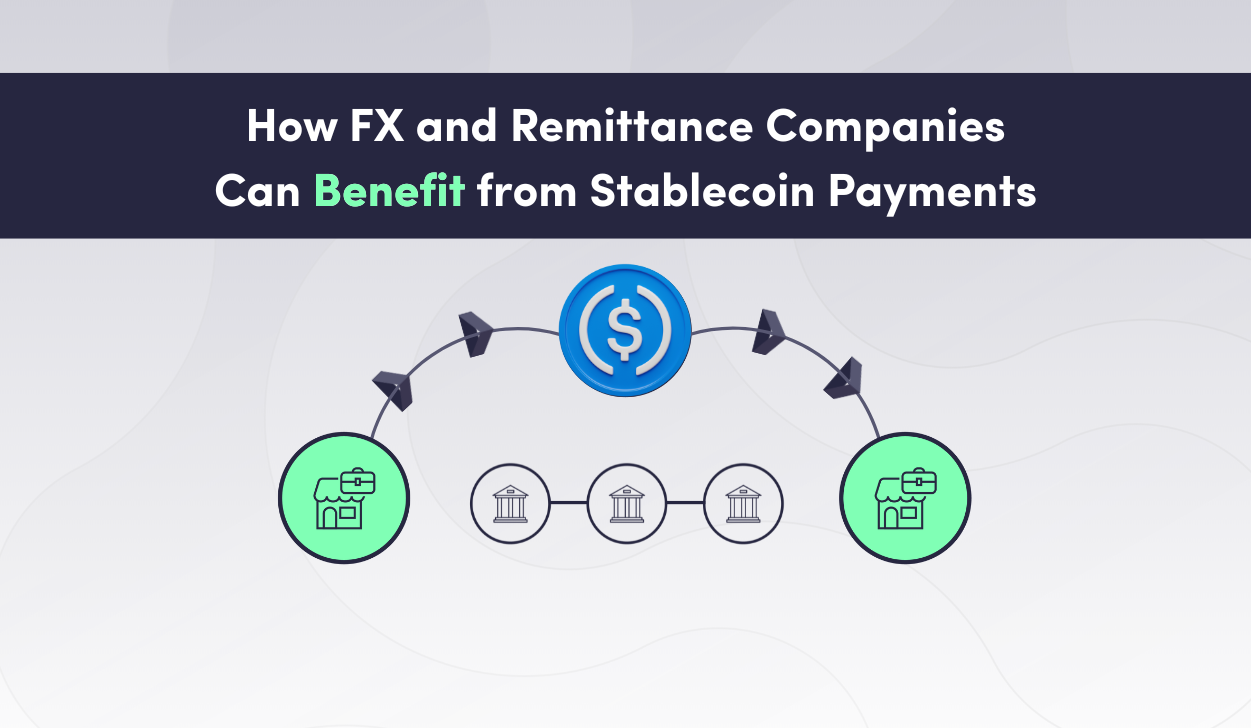
Stablecoin remittance operates outside this specific tax framework because it relies on digital settlement rather than physical cash instruments. In a typical flow, the sender converts local currency to USDC, transmits it across a blockchain network, and the recipient converts it back to local fiat. This digital bridge bypasses the physical instrument trigger, offering a structural advantage for senders seeking to minimize friction and cost.
However, the strategy must account for compliance realities. Providers like BCRemit leverage Circle’s USDC infrastructure to offer faster, cheaper transfers, but they must navigate evolving compliance landscapes. The 1% tax highlights the government’s focus on cash-based flows, pushing more volume toward regulated digital rails. Your USDC remittance strategy should prioritize providers that clearly delineate between taxable physical transfers and non-taxable digital settlements to ensure long-term efficiency and regulatory alignment.
Usdc remittance strategy choices that change the plan
Choosing a remittance path requires balancing speed, cost, and regulatory exposure. The 2026 landscape introduces a 1% remittance transfer tax on physical instruments sent from the United States, which shifts the economic advantage toward digital channels. Stablecoin remittance leverages blockchain networks to move value in minutes rather than days, often cutting fees by up to 50% compared to traditional money transfer operators. However, this efficiency comes with distinct tradeoffs regarding volatility, custody, and recipient access.
The following comparison highlights the core differences between using USDC and legacy banking rails for cross-border transfers. Understanding these factors helps you decide which infrastructure fits your specific volume and urgency needs.
| Factor | USDC Infrastructure | Traditional Banks | Money Transfer Operators |
|---|---|---|---|
| Speed | 1-10 minutes | 1-3 business days | Minutes to 1 day |
| Average Fee | 0.1% - 0.5% | 3% - 5% | 3% - 6% |
| Regulatory Tax (2026) | N/A (digital) | Varies by instrument | 1% tax on physical |
| Recipient Access | Requires wallet/fiat off-ramp | Bank account or cash pickup | Cash pickup or bank |
| Transparency | On-chain tracking | Opaque intermediary fees | Fixed fee schedule |
For high-volume senders, the fee differential is the primary driver. USDC infrastructure reduces friction by eliminating intermediary correspondent banks. However, you must account for the off-ramp costs when converting USDC back to local currency. Traditional banks offer higher acceptance rates but suffer from slower settlement times and hidden foreign exchange spreads. Money transfer operators provide cash pickup options but are now subject to the new 1% tax if physical instruments are used.
The decision ultimately depends on your recipient's digital literacy. If recipients have easy access to crypto exchanges or local USDC liquidity, stablecoins offer the best efficiency. For cash-heavy destinations, hybrid models using non-custodial wallets or local agent networks may be necessary to bridge the gap between digital settlement and physical cash.
Choose the Right USDC Remittance Strategy
The 2026 remittance landscape requires a clear decision framework. With the new 1% remittance transfer tax taking effect on January 1, 2026, traditional cash-based channels face a structural cost increase that stablecoins can bypass by design. To leverage this efficiently, you must match your transaction profile to the right infrastructure.
Compare Transfer Speeds and Costs
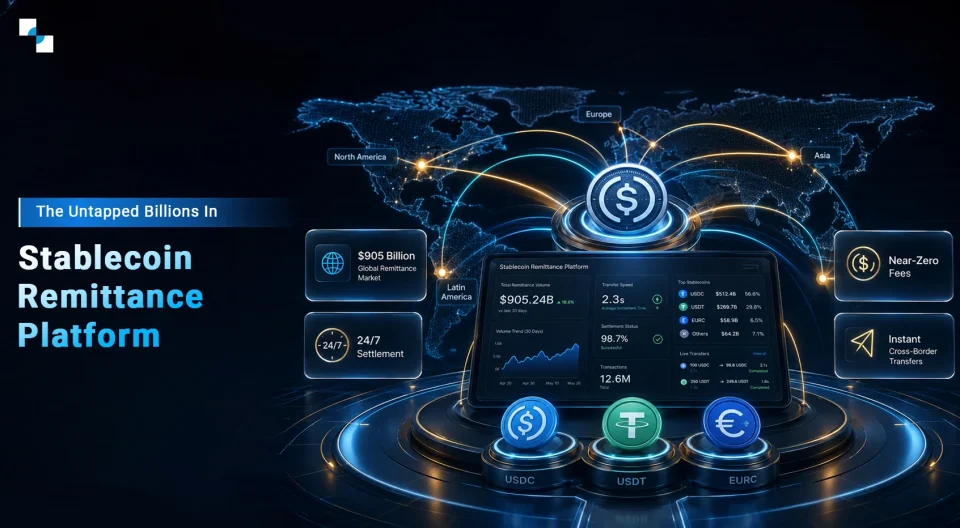
Stablecoin remittances offer a distinct advantage in speed and cost predictability. Unlike traditional wires that may take days and fluctuate with FX spreads, USDC flows settle in minutes with near-zero variance. The following comparison highlights the operational differences between legacy providers and stablecoin-native platforms.
Evaluate Compliance and Accessibility
Not all remittance paths are equal. If your recipients are in regions with high inflation or limited banking access, a non-custodial wallet approach may be necessary. Platforms like BCRemit have demonstrated how integrating USDC can redefine accessibility, while others leverage partnerships with Stellar to bridge crypto and fiat. Your choice depends on whether your recipients prefer cash pickup or digital wallets.
Select Your Infrastructure
For high-volume or frequent transfers, a dedicated stablecoin platform offers the best long-term value. For occasional, small-value transfers, a hybrid model using a digital wallet that supports stablecoins might suffice. Consider the following steps to finalize your strategy:

By aligning your transfer volume with the right infrastructure, you can mitigate the impact of new taxes and maximize efficiency for your cross-border payments.
Spotting Weak USDC Remittance Options
USDC remittance promises speed and low fees, but several common setups undermine that value. Understanding where these strategies fail helps you avoid hidden costs and settlement delays.
Hidden FX Markups
Many platforms advertise "zero fees" but apply wide spreads when converting USD to USDC and back to local currency. These FX markups often exceed 2-3%, eroding the savings from faster settlement. Always compare the total received amount against traditional wire transfers, not just the advertised fee.
Regulatory Blind Spots
With the new 1% remittance transfer tax taking effect in 2026, some providers may not clearly disclose how this impacts stablecoin transfers. Ensure your provider is compliant and transparent about tax reporting. Non-compliant platforms risk freezing funds or facing sudden regulatory shutdowns, leaving your money stranded.
Liquidity Traps
In emerging markets, USDC liquidity can be thin during peak hours. This leads to slippage and higher costs when converting back to fiat. Check the available depth on local exchanges before initiating large transfers. Thin liquidity can turn a cheap transaction into an expensive one due to poor exchange rates.
Counterparty Risk
Relying on a single custodian for USDC storage introduces counterparty risk. While USDC is pegged to the USD, the entity holding it could face insolvency or regulatory action. Diversify holdings across reputable, audited custodians to mitigate this risk. Never keep large remittance sums in unverified wallets.
Slow Settlement Times
Despite blockchain speed, some USDC remittance flows involve multiple intermediaries, causing delays of 24-48 hours. This negates the primary benefit of stablecoins. Choose providers that offer direct, on-chain settlement to local wallets or bank accounts without unnecessary hops.
Usdc remittance strategy: what to check next
Helpful gear
Use these product recommendations as a starting point, then choose the size, material, and price point that fit how you actually use the gear.


As an Amazon Associate, we may earn from qualifying purchases.
No comments yet. Be the first to share your thoughts!