Usdc remittance strategy limits to account for
Building a USDC remittance strategy requires navigating a mix of regulatory friction, liquidity fragmentation, and operational complexity. While USDC offers speed and transparency, it is not a plug-and-play replacement for traditional rails. The infrastructure is maturing, but the path from on-chain asset to settled fiat in the recipient’s account still involves several handoffs where value can leak or get stuck.
The primary constraint is the "last mile" problem. Sending USDC to a wallet is instant; converting it to local currency in countries with strict capital controls or limited banking infrastructure is not. Providers like BCRemit and Onafriq have partnered with Circle to streamline this, but you must verify that your target corridors support direct USDC-to-fiat settlement. If the recipient’s bank does not accept crypto-originated funds, you rely on third-party exchange partners, which introduces counterparty risk and variable exchange rates.
Liquidity is the second hurdle. USDC is dominant on Ethereum and Solana, but stablecoin usage varies by region. In some corridors, USDT may offer better liquidity or lower slippage, even if USDC is preferred for compliance reasons. Your strategy must account for the fact that USDC is not universally accepted by all fiat on-ramps. You may need to maintain balances in multiple stablecoins or use liquidity aggregators to ensure competitive rates, which adds technical overhead.
Regulatory compliance is the final, non-negotiable constraint. USDC is issued by Circle, a regulated entity, but the remittance provider you use must be licensed in both the sending and receiving jurisdictions. A robust strategy includes verifying that your provider holds necessary Money Transmitter Licenses (MTLs) or equivalent e-money licenses. Without this, your funds are exposed to regulatory seizure or service shutdowns. Always prioritize providers with transparent reserve reports and clear AML/KYC protocols to mitigate this risk.
Usdc remittance strategy choices that change the plan
Choosing a USDC remittance path requires balancing speed, cost, and regulatory comfort. Unlike traditional bank wires that rely on correspondent banking networks, USDC moves on public blockchains, offering near-instant settlement regardless of destination. However, this efficiency comes with distinct operational tradeoffs that vary by corridor and provider.
When evaluating a strategy, consider the final destination of the funds. Direct on-chain transfers offer the lowest fees but require the recipient to manage a crypto wallet. For broader adoption, integrating with regulated payout partners like BCRemit or Onafriq allows users to withdraw directly to local bank accounts or mobile money wallets, albeit with slightly higher integration costs. This hybrid approach bridges the gap between blockchain speed and traditional financial accessibility.
The following comparison breaks down the primary variables you should weigh when structuring your cross-border settlement flow.
| Feature | Direct On-Chain | Regulated Partner | Traditional Wire |
|---|---|---|---|
| Settlement Time | 1-5 minutes | 1-24 hours | 2-5 business days |
| Typical Fee Structure | Network gas fees (low) | Fixed + FX spread | $15-$50 per transfer |
| Recipient Access | Crypto wallet required | Bank or mobile money | Bank account only |
| Regulatory Compliance | User responsible (KYC/AML) | Provider handles compliance | Full institutional compliance |
| USD Peg Stability | Subject to stablecoin risk | Fiat conversion at payout | N/A (Fiat native) |
For deeper market context, USDC’s performance and liquidity can be tracked alongside broader stablecoin trends.
Ultimately, the right choice depends on your recipient’s technical comfort level and your volume requirements. Direct on-chain transfers suit tech-savvy users and high-volume B2B payments, while regulated partners remain the standard for consumer-facing remittances where ease of use is paramount.
Build a USDC Remittance Strategy
Building a USDC remittance infrastructure requires balancing regulatory compliance with the speed benefits of stablecoins. The following framework outlines the critical steps for integrating USDC into cross-border settlements, drawing on successful implementations like BCRemit and Onafriq.
Verify that your stablecoin provider maintains full regulatory licenses in your target jurisdictions. Look for issuers with transparent reserve audits and established banking partnerships. Circle’s recent New York trust charter, for instance, provides a robust regulatory foundation that reduces compliance friction for fintechs operating in the US.
Partner with licensed payment processors or on-ramps/off-ramps that support instant fiat settlements. Avoid peer-to-peer (P2P) OTC desks for primary infrastructure due to liquidity risks. Instead, use institutional-grade APIs that handle KYC/AML checks automatically, ensuring your remittance flow meets anti-money laundering standards in both origin and destination countries.
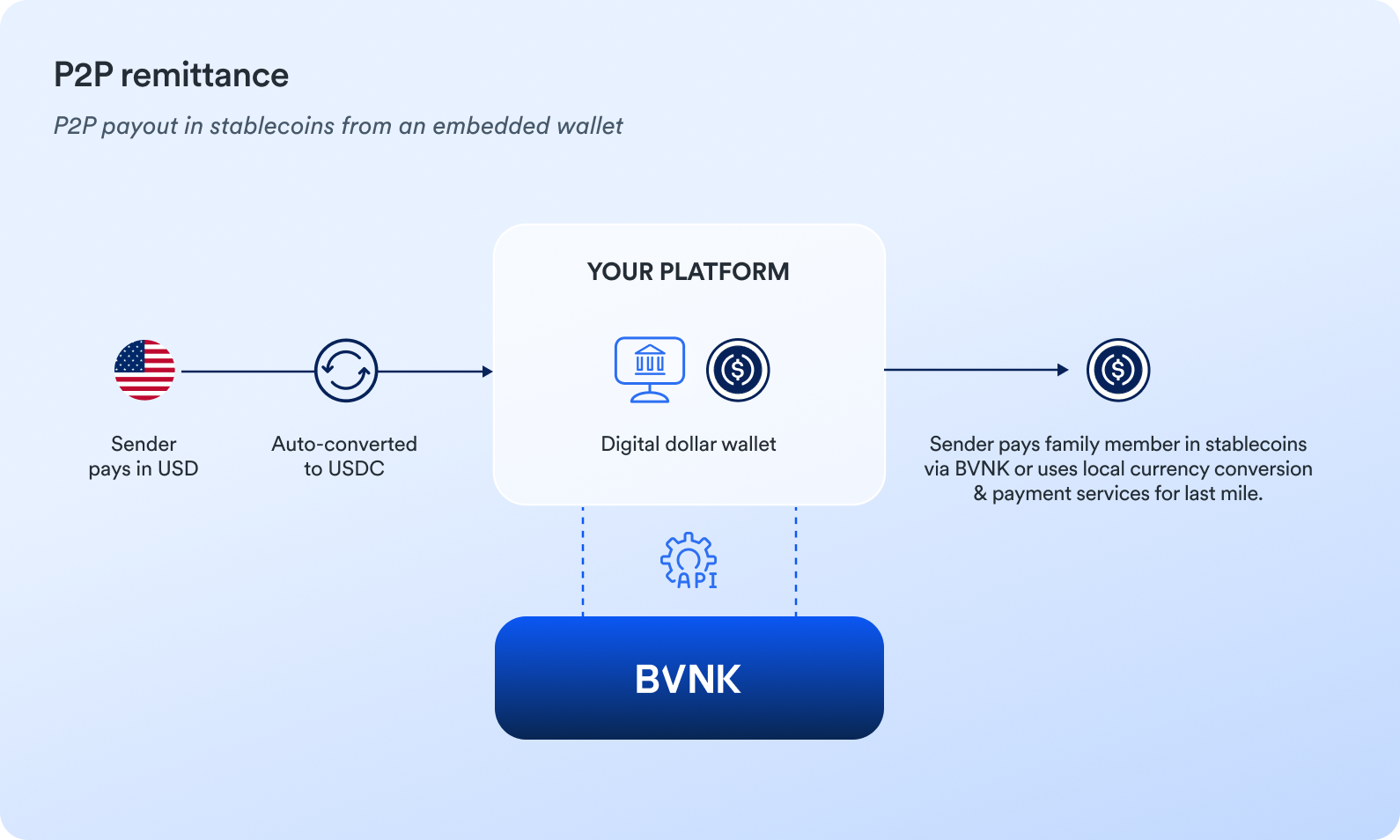
Set up liquidity reserves in both USDC and local fiat currencies to minimize conversion delays. Use automated market makers or dedicated liquidity providers to ensure consistent exchange rates. This step is crucial for maintaining user trust, as slippage during high-volume periods can erode margins and frustrate recipients waiting for funds.

Deploy dashboards that track transaction latency, failure rates, and compliance flags. Integrate with blockchain explorers to verify on-chain confirmations instantly. This visibility allows your operations team to resolve stuck transactions before they impact customer experience, turning potential service outages into minor inconveniences.

Before full-scale launch, execute a series of small, controlled remittances to various destinations. Monitor how long it takes for funds to clear in local bank accounts versus mobile wallets. Use this data to refine your partner selection and adjust your fee structure based on actual settlement times and costs.



As an Amazon Associate, we may earn from qualifying purchases.
By following these steps, you can construct a resilient USDC remittance strategy that prioritizes speed, compliance, and user experience. Focus on regulatory clarity and operational reliability to differentiate your service in a competitive market.
Spotting Weak USDC Remittance Options
Many platforms market USDC transfers as instant and free, but the reality involves hidden friction. You must verify which stablecoin version is supported, as some corridors only accept specific token standards. Always check the on-ramp and off-ramp liquidity before committing funds.
Watch out for platforms that obscure final fiat conversion rates. A low USDC fee means little if the bank deposit incurs a 5% spread. Compare total landed cost, not just the transfer fee. Avoid services that do not clearly display withdrawal times and minimum thresholds.
Use the live price widget below to track USDC stability during your transfer window. Sudden depeg events or volatility in the local fiat pair can erode your gains. Verify the provider’s reserve transparency to ensure your funds remain fully backed.
Usdc remittance strategy: what to check next
These answers address the practical objections and technical details that matter when moving money across borders.
No comments yet. Be the first to share your thoughts!