The usdc remittance strategy limits to account for
The USDC remittance strategy centers on a simple tradeoff: you accept counterparty risk to eliminate the friction of traditional banking rails. While the U.S. loses at least $200 billion annually to remittance fees and delays, moving funds via stablecoins requires navigating a new set of compliance and settlement hurdles.
How the Constraint Works
The core constraint is that USDC is not money; it is a claim on reserves held by Circle. When you send USDC, you are trusting that Circle can redeem that token for one USD at any time. This introduces a single point of failure that does not exist in the Federal Reserve’s FedNow system, but it offers speed and transparency that traditional banks cannot match.
Who Uses USDC for Remittances?
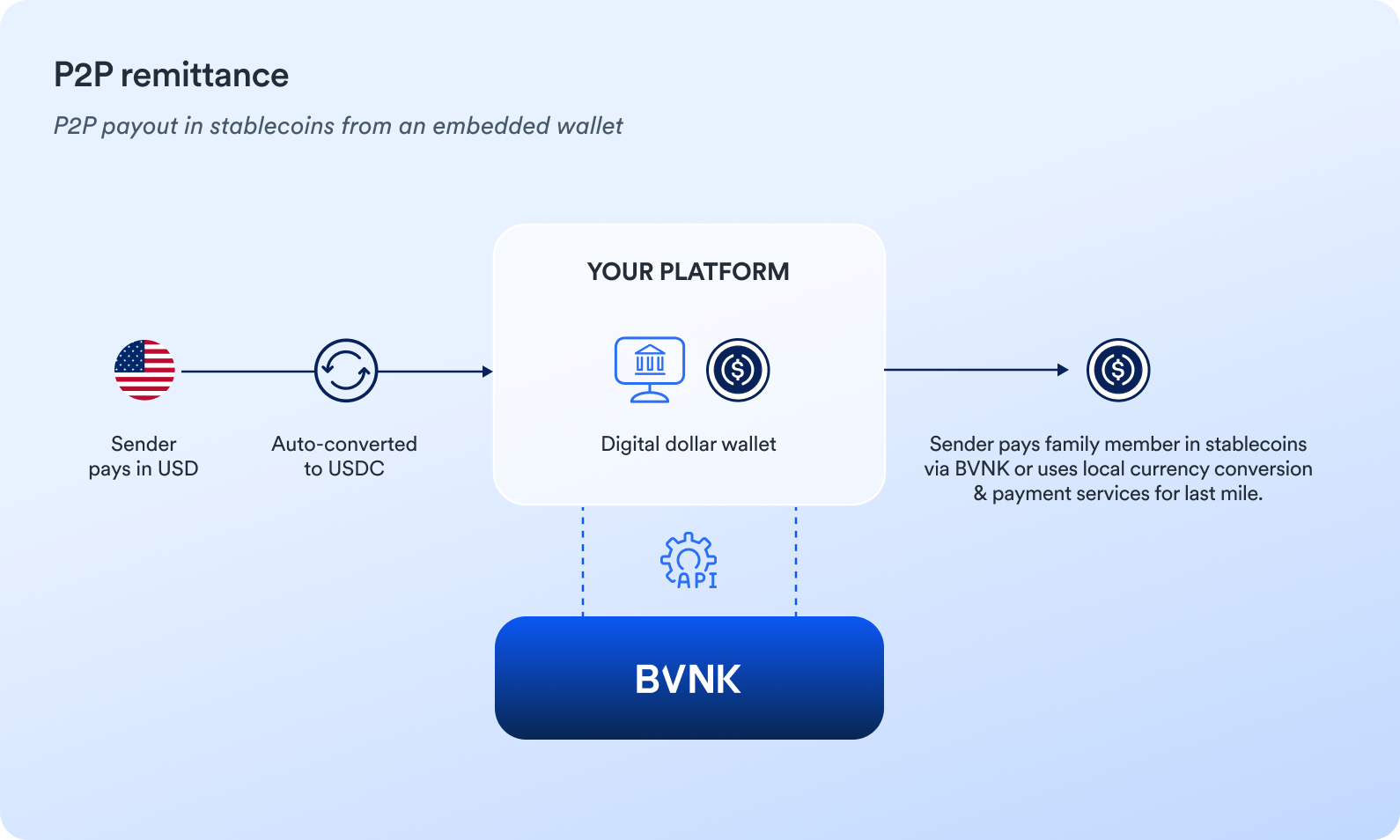
Companies like BCRemit and MuralPay have built infrastructure specifically to bypass this constraint for end-users. BCRemit leverages Circle’s USDC to optimize global remittances, making transfers faster and cheaper than ever before. Similarly, MuralPay pairs virtual USD accounts with near-instant USDC on-chain transfers to help SMEs access working capital quickly, reducing exposure to local currency volatility.
The Decision Framework
Your strategy depends on volume and urgency. For small, sporadic personal transfers, the regulatory friction of onboarding to a crypto-native service often outweighs the fee savings. However, for high-volume business payments or cross-border settlements where speed is critical, the USDC remittance strategy offers a clear advantage over SWIFT or traditional money transfer operators, provided you are comfortable with the regulatory landscape.
Usdc remittance strategy choices that change the plan
Choosing USDC for cross-border payments requires weighing speed and cost against regulatory friction and liquidity depth. While traditional wire transfers offer universal bank access, USDC provides near-instant settlement with lower fees, but introduces steps for on-ramping and off-ramping. The right strategy depends on whether you prioritize speed, cost, or ease of use for the recipient.
To compare these options effectively, we evaluate the tradeoffs across four key dimensions: cost, speed, accessibility, and complexity. The following table breaks down the concrete differences between USDC remittances and traditional methods.
| Factor | USDC | Traditional Wire | Domestic Apps |
|---|---|---|---|
| Speed | 1-10 minutes | 1-5 business days | Instant |
| Average Cost | <1% | 3-6% | Free |
| Recipient Access | Requires wallet/app | Direct to bank | Bank or debit card |
| Complexity | Medium (on/off-ramp) | Low | Low |
Cost Efficiency
USDC significantly reduces the percentage lost to fees, especially for smaller amounts. Traditional services like Western Union or MoneyGram often charge flat fees plus a percentage, which can exceed 6% for transfers under $500. USDC network fees are typically fractions of a cent, though exchange spreads when converting fiat to USDC can add 0.5-1%. For large volumes, the savings compound quickly.
Settlement Speed
Time is money in remittances. Traditional wires often get stuck in correspondent banking chains, taking several days to clear. USDC settles on-chain in minutes, regardless of holidays or weekends. This speed allows recipients to access funds immediately, which is critical for emergency situations or businesses needing quick working capital.
Accessibility and Complexity
The biggest hurdle for USDC is the onboarding process. Recipients must have a compatible wallet or app to receive and convert USDC. While apps like MuralPay and BCRemit simplify this by offering direct-to-bank conversion, it still requires digital literacy. Traditional wires require only a bank account and routing number, making them universally accessible for older or less tech-savvy populations.
Decision Guide
- Choose USDC if: You send money frequently, value speed, and recipients are comfortable with digital wallets or apps that support USDC-to-bank conversion. This is ideal for freelancers, remote workers, and SMEs.
- Choose Traditional Wires if: The recipient is elderly, lives in a region with poor internet access, or strictly requires funds in a traditional bank account without any intermediary steps.
- Choose Domestic Apps if: The transfer is within the US and both parties have verified bank accounts or debit cards. These are free and instant but do not support cross-border payments.
Choose the next step
USDC Remittance Strategy works best as a clear sequence: define the constraint, compare the realistic options, test the tradeoff, and choose the path with the fewest hidden costs. That order keeps the advice usable instead of decorative. After each step, pause long enough to check whether the recommendation still fits the reader's actual situation. If it depends on perfect timing, unusual access, or a best-case budget, include a simpler fallback.
Watch Out for Hidden Friction in USDC Remittances
While USDC infrastructure offers speed, the promise of "zero fees" often masks operational friction. Traditional money transfer operators (MTOs) have built complex compliance layers that USDC integrations must replicate, not replace. If a provider claims instant settlement without mentioning liquidity pools or off-ramp partners, they are likely hiding spread costs or compliance delays.
The "Instant" Myth
Many providers advertise near-instant transfers, but final settlement depends on the destination bank's processing times. USDC moves quickly on-chain, but converting it back to fiat for the recipient can take 1-3 business days depending on the partner bank. Always verify the off-ramp partner's specific SLA before assuming the money is accessible.
Spread vs. Fee
A low upfront fee might come with a poor exchange rate. Compare the total cost: the sum of the transfer fee plus the difference between the mid-market rate and the rate offered. Some platforms subsidize fees by widening the spread, which can cost more over time than a higher-fee, transparent-rate model.
Compliance Friction
USDC is regulated. Providers must adhere to AML/KYC rules, which can cause temporary holds or require additional documentation. This is not a bug but a feature of legal compliance. Expect more friction than a purely decentralized stablecoin, but significantly less than cash-based informal networks.
Decision Framework
Choose USDC for larger, planned transfers where speed and transparency outweigh the need for instant cash-in-hand. Use traditional MTOs for small, urgent amounts where the recipient needs physical cash immediately. Always check the total landed cost, not just the headline fee.
Helpful gear
Use these product recommendations as a starting point, then choose the size, material, and price point that fit how you actually use the gear.


As an Amazon Associate, we may earn from qualifying purchases.
No comments yet. Be the first to share your thoughts!