The USDC Remittance Strategy Explained
USDC remittance transforms global transfers by replacing the legacy SWIFT network with blockchain infrastructure. Instead of routing money through multiple correspondent banks, USDC moves directly on-chain. This shift changes remittances from a multi-day logistical chain into a near-instant digital transfer, reducing friction for both senders and receivers.
The core value proposition rests on three pillars: speed, cost, and transparency. Traditional international wires often take one to five business days to settle, during which funds are invisible to the sender. USDC settles in seconds. Fees drop significantly because the transaction bypasses intermediary banking fees. This efficiency is critical in a market where the U.S. loses at least $200 billion annually to remittance costs, according to recent economic data.
Transparency is the final advantage. Every transaction is recorded on the public ledger, providing an immutable audit trail. Unlike traditional banking, where tracking a wire requires phone calls and reference numbers, USDC transactions are visible in real-time. This visibility builds trust and reduces the administrative burden for businesses and individuals alike.
USDC Remittance vs Traditional Money Transfer
Legacy remittance providers like Western Union and Wise have built their business models on friction. They charge fees for handling cross-border settlements, often adding hidden costs through unfavorable foreign exchange spreads. The average cost to send money globally sits around 6.4%, according to the World Bank—a tax on movement that eats into the value of the transfer.
USDC changes the math. By moving value on-chain, you bypass the correspondent banking network entirely. Settlements happen in seconds rather than days, and costs drop to fractions of a cent. This isn't just a marginal improvement; it is a structural shift in how capital moves. For businesses sending payroll or B2B payments, the difference between a 5% fee and a 0.1% fee compounds rapidly.
The table below breaks down the key metrics that matter to finance teams. We are comparing the standard experience of traditional wire transfers and remittance apps against the USDC rails used by providers like BCRemit and Muralpay.
| Metric | Traditional Transfer | USDC Transfer |
|---|---|---|
| Settlement Time | 1-3 Business Days | Seconds |
| Average Cost | 5-10% of value | <0.1% |
| FX Spread | 3-5% markup | Near-spot rate |
| Availability | Weekday banking hours | 24/7/365 |
| Minimum Transfer | Often $50+ | No minimum |
The economic advantage is clearest in high-volume, low-margin scenarios. When you are sending $5,000 to a supplier in Colombia or a contractor in the Philippines, traditional fees can consume hundreds of dollars. USDC reduces that overhead to negligible levels, preserving working capital. This efficiency is why fintechs are rapidly integrating Circle’s infrastructure to offer instant, low-cost remittances.
Building the USDC Remittance Infrastructure
Launching a USDC remittance service requires more than just holding stablecoins; it demands a precise integration of five distinct operational layers. Each layer must communicate seamlessly to ensure funds move from sender to receiver with minimal friction and maximum security. The architecture typically consists of digital wallets, blockchain networks, on-ramp and off-ramp gateways, invoicing systems, and reconciliation tools.
The foundation of this stack is the wallet infrastructure. For enterprise-grade remittances, custodial solutions like Fireblocks are preferred over self-custody options due to their institutional security standards and multi-party computation (MPC) technology. These wallets manage the private keys and enforce strict access controls, ensuring that only authorized personnel can initiate payouts. This layer acts as the vault for your digital assets, protecting against theft and operational error.
Next, you must select the blockchain network. While Ethereum is the most widely recognized chain for USDC, its high gas fees and slower transaction times can make it economically unviable for small remittances. Most modern remittance services utilize Layer 2 solutions like Arbitrum or Optimism, or alternative chains such as Polygon or Stellar, which offer near-instant settlement and fractions of a cent in transaction costs. The choice of chain directly impacts the speed and cost efficiency of the final payout.
On-ramps and off-ramps serve as the bridge between traditional fiat currency and the crypto ecosystem. On-ramps allow users to deposit fiat, which is then converted into USDC. Off-ramps facilitate the conversion of USDC back into local fiat for the recipient. Integrating with established liquidity providers ensures that these conversions happen at competitive exchange rates. Without reliable off-ramp partners, your USDC remains trapped in the digital realm, unable to reach the end user in a usable form.
Finally, the invoicing and reconciliation layers handle the administrative overhead. Invoicing systems generate the necessary records for each transaction, while reconciliation tools match on-chain data with off-chain ledger entries. This step is critical for regulatory compliance and financial auditing. Without accurate reconciliation, tracking disputes and preventing fraud becomes nearly impossible, exposing the business to significant operational risk.
The Five Moving Parts of a USDC Payout Stack
-
Digital Wallets
Custodial solutions like Fireblocks provide institutional-grade security and MPC key management for holding USDC. -
Blockchain Networks
Layer 2 solutions (Arbitrum, Optimism) or low-fee chains (Polygon, Stellar) ensure fast, cheap settlements. -
On/Off-Ramps
Liquidity providers facilitate the conversion between fiat currency and USDC, enabling real-world utility. -
Invoicing Systems
Automated record generation creates a clear audit trail for every transaction initiated. -
Reconciliation Tools
Matching on-chain data with off-chain ledgers ensures compliance and simplifies dispute resolution.
Real-world case studies in USDC remittances
Theoretical models for USDC remittances become concrete when applied to live infrastructure. Companies like BCRemit and Onafriq demonstrate how Circle’s backend powers faster, cheaper cross-border transfers compared to traditional rails. These examples show that stablecoin adoption is no longer experimental—it is operational for high-volume, low-margin flows.
BCRemit, which focuses on Latin American corridors, has integrated Circle’s USDC to replace legacy banking delays. By leveraging Circle’s infrastructure, BCRemit offers near-instant settlement, significantly reducing the friction for users sending money to Colombia and other regions. This approach allows them to offer rates that undercut traditional money transfer operators while maintaining speed. The visual below illustrates how BCRemit utilizes Circle’s technology to streamline this process.
Onafriq provides a similar blueprint for the African continent. Their partnership with Circle enables simplified cross-border payments by using USDC as the settlement layer. This reduces the complexity of multi-currency reconciliation for merchants and remittance agents. The result is a more transparent cost structure for senders, who avoid the hidden fees often associated with correspondent banking networks.
Both cases highlight a common theme: the value of USDC lies in its predictability and speed. For finance professionals evaluating remittance strategies, these deployments offer a clear benchmark for how stablecoins can reduce operational drag and improve liquidity management in global payments.
Risks and Regulatory Considerations
Using USDC for cross-border payments is not just a technical upgrade; it is a compliance exercise. While the settlement is fast, the regulatory environment varies significantly by jurisdiction. You are moving value across borders, which means you must navigate money transmission licenses, anti-money laundering (AML) checks, and local crypto asset regulations.
USDC is backed by $1 held in reserve, ensuring peg stability, but that does not exempt you from local laws. Platforms like Stripe allow businesses to send and receive USDC without touching the underlying crypto directly, abstracting away much of the technical risk. However, the legal risk remains. You must ensure your infrastructure provider, such as Fireblocks, supports the specific stablecoins and jurisdictions you operate in.
The stakes are high because the US loses at least $200 billion per year in remittances, a figure that is likely higher now. This economic leakage drives the need for efficient rails, but it also attracts intense regulatory scrutiny. A failure to comply with local KYC/AML standards can result in frozen assets or legal action, regardless of the speed of the underlying blockchain.
When selecting a provider, look for native support for major stablecoins and a clear audit trail. The infrastructure must be robust enough to handle the volume and volatility of global finance while remaining compliant with the strictest local standards. There is no one-size-fits-all regulatory answer; your strategy must be tailored to each destination country.
Technical Chart Analysis
Understanding the liquidity depth and price stability of USDC is crucial for treasury management. The following chart visualizes the trading volume and price peg integrity of USDC against major fiat pairs, highlighting the efficiency of the underlying settlement layers.
FAQs on USDC Remittance Strategy
Infrastructure Providers
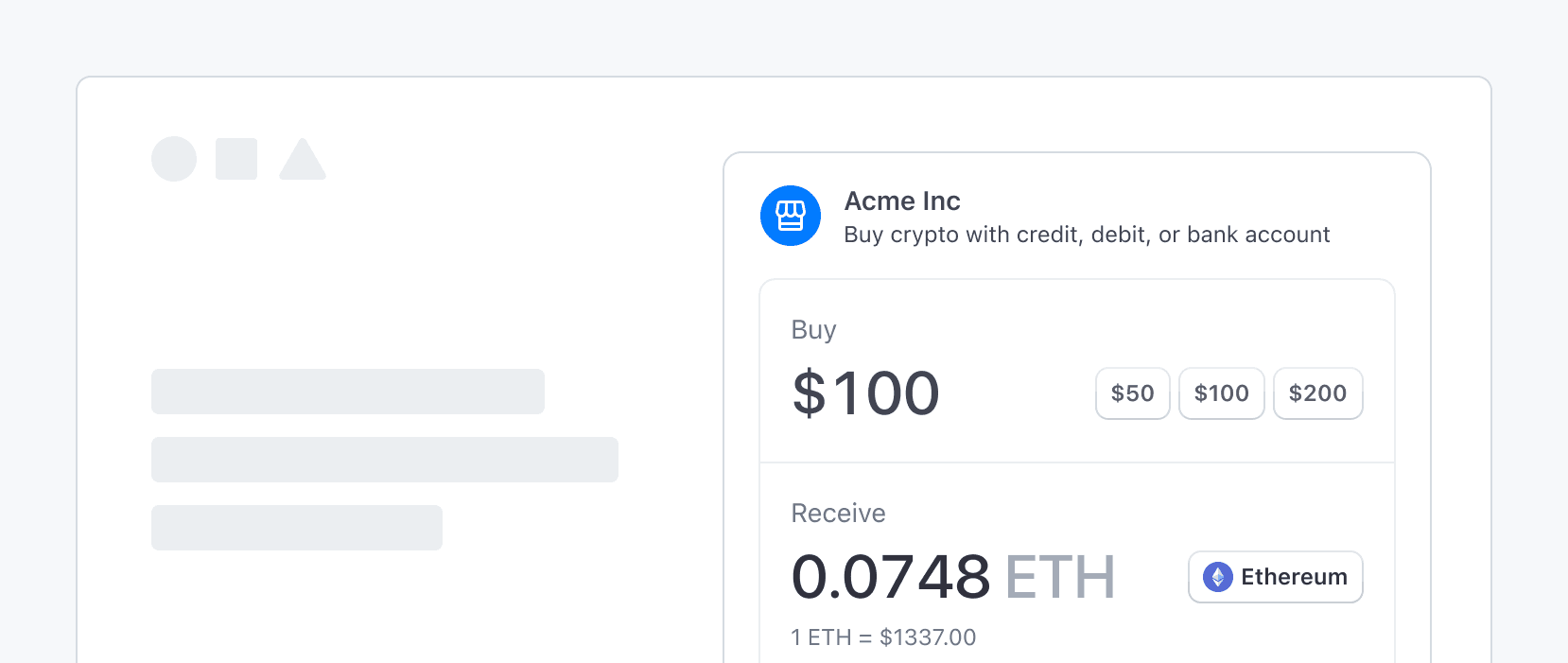
Selecting the right technology stack is critical for secure and compliant USDC operations. Below are key providers that facilitate the integration of stablecoin payments into existing financial workflows.


As an Amazon Associate, we may earn from qualifying purchases.
No comments yet. Be the first to share your thoughts!