Usdc remittance analysis limits to account for
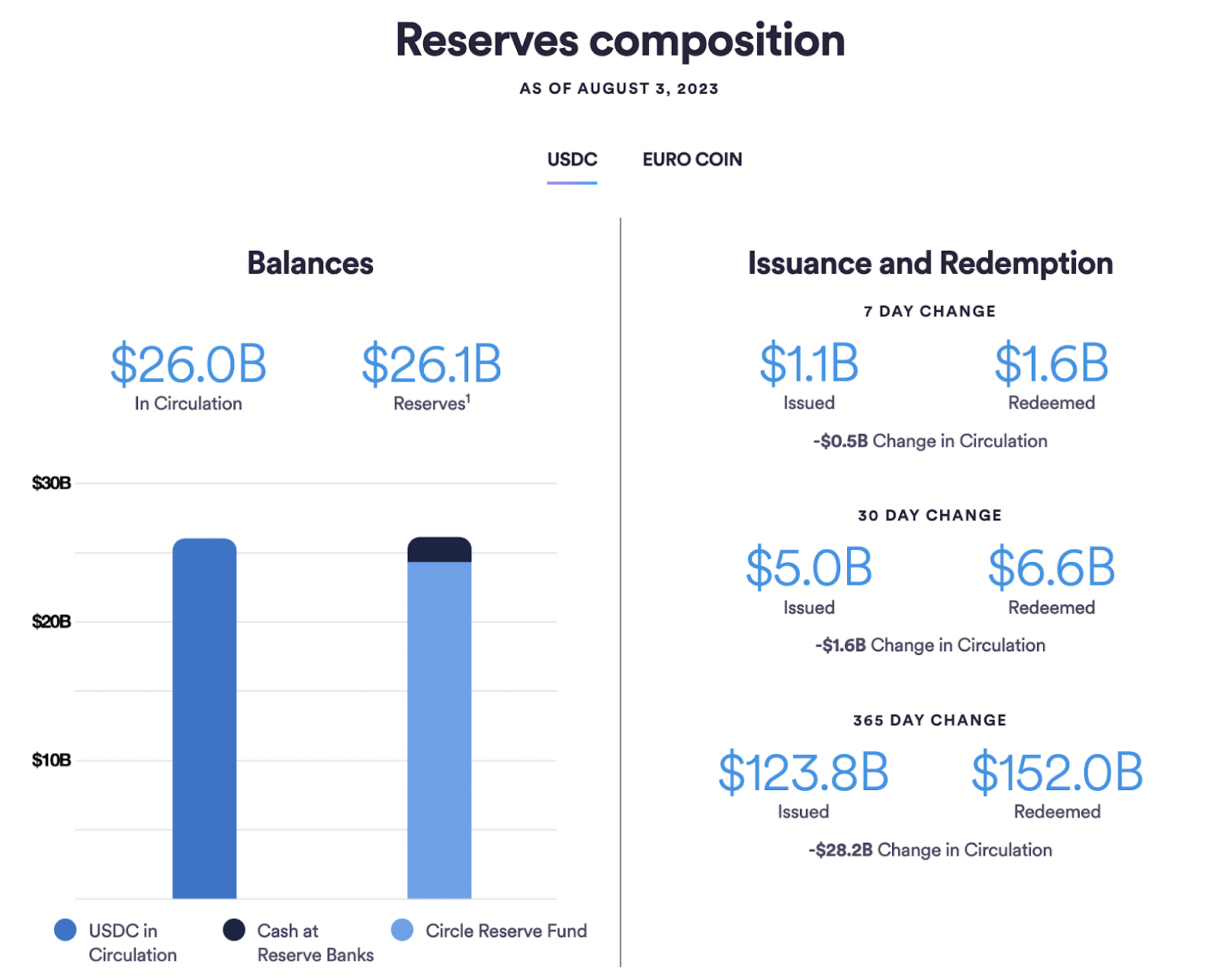
The promise of USDC for cross-border settlements rests on infrastructure upgrades, but the practical reality is defined by friction points that persist despite transparency improvements. While USDC remains one of the most liquid stablecoins with over $26 billion in capitalization, its viability for remittance depends on navigating historical vulnerabilities and current market dynamics.
The most significant constraint is regulatory and operational risk. The March 2023 incident, where USDC briefly depegged to $0.87 due to SVB exposure, highlighted the fragility of banking partnerships. Although Circle has since diversified reserves and increased transparency, this event remains a cautionary tale for remittance providers relying on stablecoin infrastructure. The risk is not just technical but institutional; any future banking disruption could impact liquidity and user confidence.
Cost and speed advantages are real but conditional. Providers like BCRemit demonstrate that USDC can offer faster, cheaper transfers than traditional methods. However, these benefits are contingent on the user's ability to enter and exit the crypto ecosystem efficiently. In regions with poor fiat on-ramp infrastructure, the "cheap" cost of USDC transfer is often offset by high exchange fees or limited accessibility, negating the theoretical efficiency gains.
For remittance analysis, the key metric is not just the blockchain transaction cost, but the total landed cost including spread and accessibility. USDC's future in remittance hinges on its ability to maintain regulatory compliance while expanding its fiat gateway network. Investors and users must weigh the transparency of its reserves against the ongoing regulatory uncertainty in key markets like the US and EU.
Usdc remittance analysis choices that change the plan
Choosing USDC for cross-border settlements requires balancing speed and cost against regulatory transparency and liquidity depth. While the underlying infrastructure offers significant advantages over traditional banking rails, the specific tradeoffs depend on how each factor aligns with your settlement volume and risk tolerance.
The primary advantage lies in settlement efficiency. Traditional wire transfers often take days to clear due to intermediary banks and manual compliance checks. USDC transactions typically settle in minutes, regardless of the time of day or day of the week. This speed reduces counterparty risk and improves cash flow predictability for businesses and individuals alike.
Cost reduction is the second major driver. Remittance fees can eat into the value of transfers, particularly for smaller amounts. By bypassing the correspondent banking network, USDC lowers the friction costs associated with currency conversion and intermediary fees. However, these savings must be weighed against the potential volatility of gas fees on certain networks and the spread charged by on-ramp and off-ramp providers.
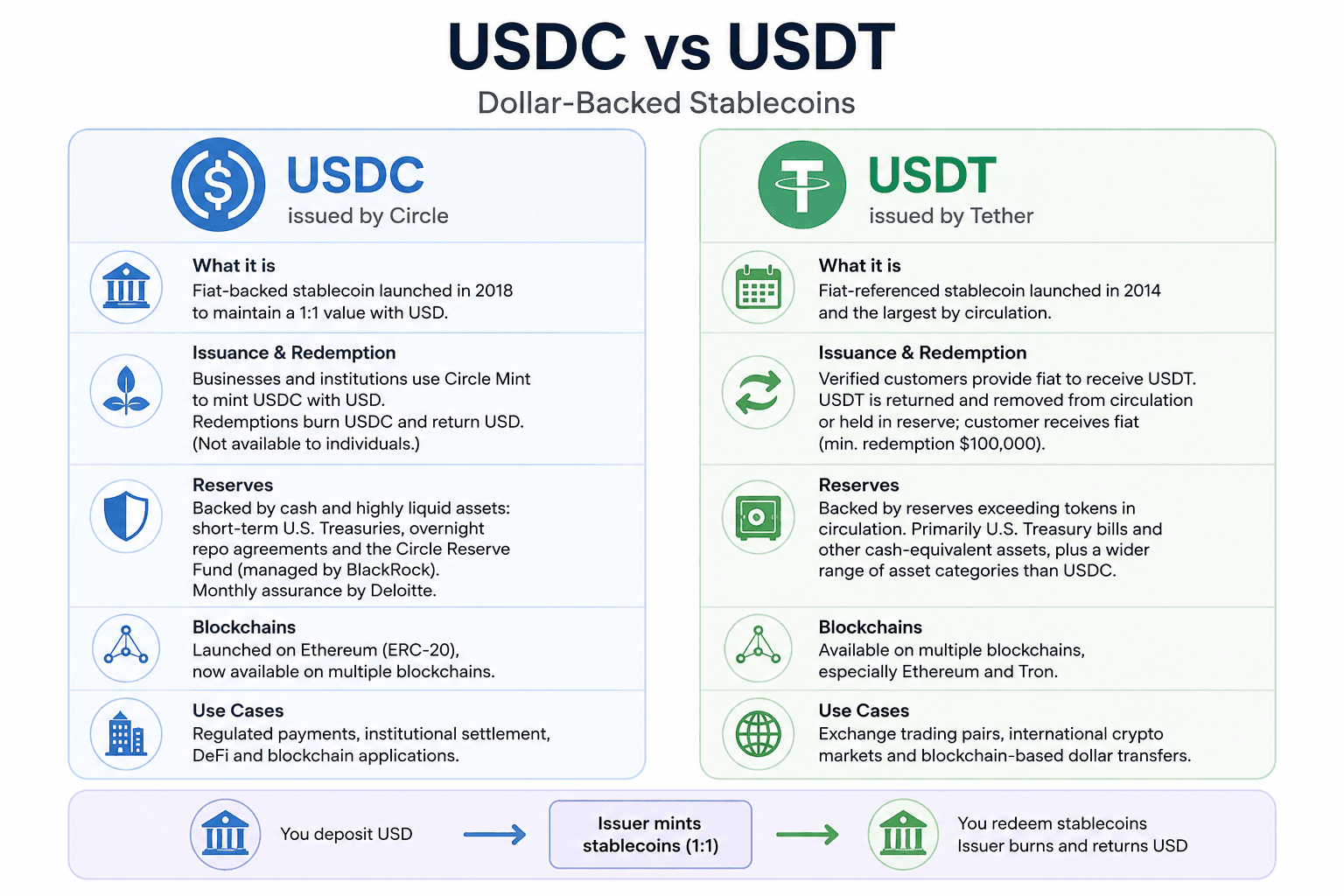
Regulatory compliance and reserve transparency form the third pillar of this analysis. USDC is issued by Circle, a regulated financial institution that publishes monthly attestations of its reserves. This transparency provides a layer of security that many alternative stablecoins lack. For institutional users, this regulatory clarity is often a non-negotiable requirement for integrating crypto assets into existing financial workflows.
To evaluate these factors concretely, the following comparison outlines the key tradeoffs between USDC remittances and traditional methods across critical dimensions.
| Factor | USDC Remittance | Traditional Wire |
|---|---|---|
When integrating USDC, it is essential to verify the specific on-ramp and off-ramp costs in your target jurisdictions. While the blockchain settlement is cheap, the fiat conversion steps can introduce hidden spreads. Always compare the total landed cost, including network gas fees and exchange spreads, rather than focusing solely on the base transfer fee. This holistic view ensures that the theoretical efficiency of USDC translates into actual value for your remittance operations.
How to choose a USDC remittance tool
Picking the right infrastructure depends on where your money is going and how fast it needs to arrive. The following checklist helps you compare tools against the specific friction points of cross-border settlement.

Look for daily attestation reports and clear breakdowns of reserve assets. The March 2023 SVB incident showed that reserve composition matters more than brand recognition. Prioritize platforms that use USDC with high-quality liquid assets like short-term Treasuries and cash, ensuring immediate settlement capability during market stress.
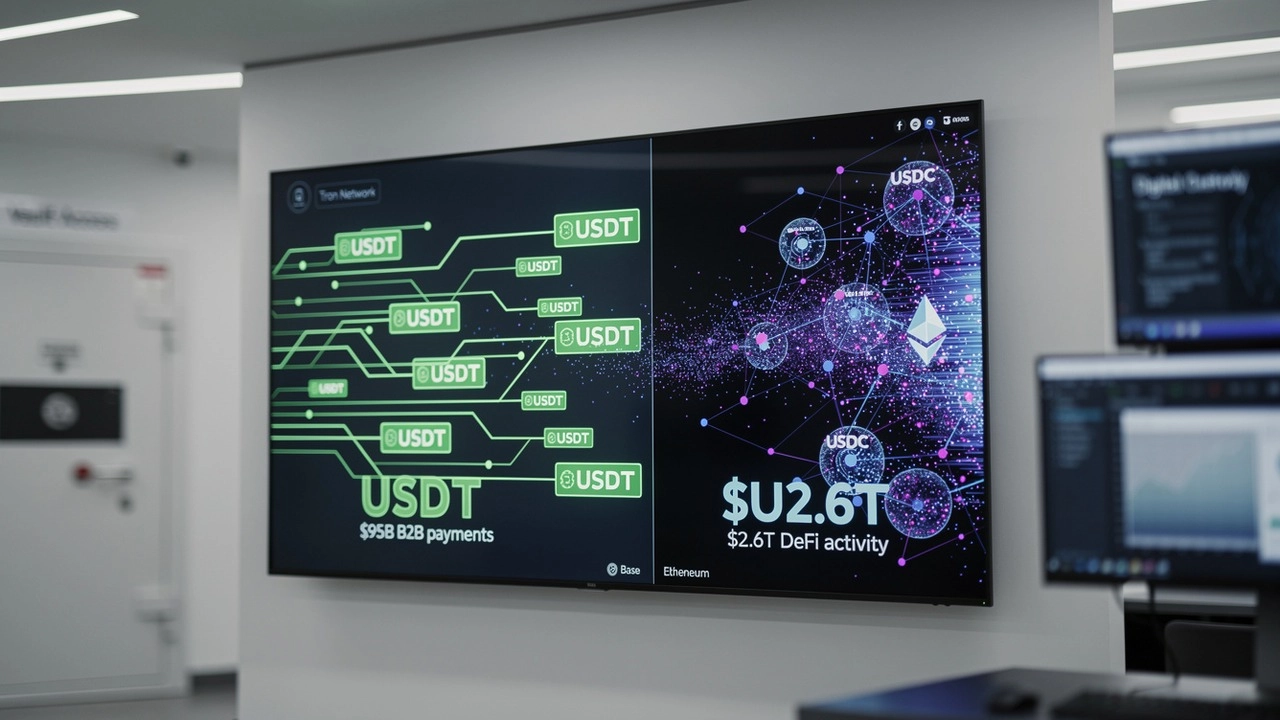
Gas fees can turn a cheap transfer into an expensive one. Compare costs across Ethereum L2s (like Base or Arbitrum), Solana, and Polygon. For high-volume remittances, Layer 2 solutions often offer sub-penny fees, while mainnet Ethereum can cost several dollars per transaction. Ensure the provider supports the chain your recipient prefers.
Speed is only valuable if you can spend the money. Check how quickly the platform converts USDC back to local currency in the recipient’s country. Some providers partner with local banks for instant deposits, while others rely on slower ACH or wire transfers. Look for explicit SLAs (Service Level Agreements) on settlement times.
Not all USDC providers operate globally. Verify that the platform is fully compliant with regulations in both the sender’s and recipient’s jurisdictions. Tools like BCRemit have optimized for specific corridors by navigating local banking partnerships, so ensure the provider has a legal footprint in your target market.


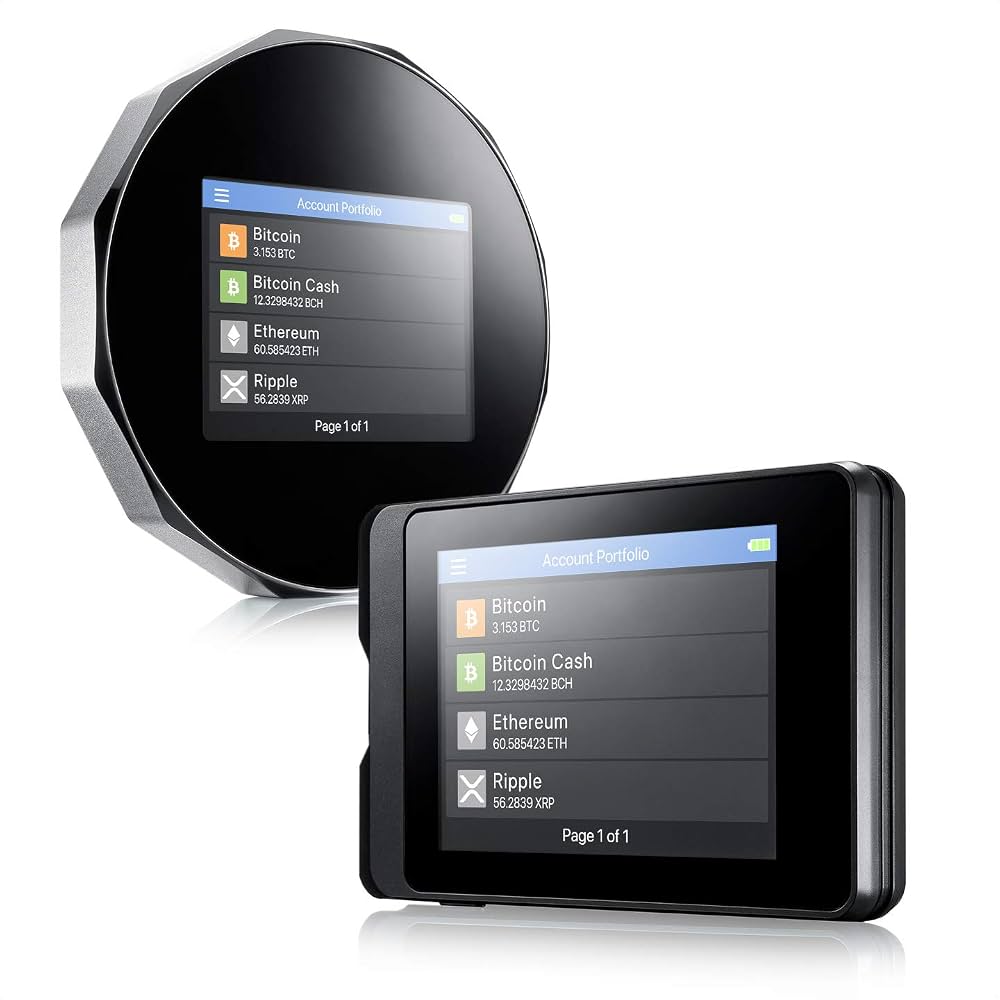
As an Amazon Associate, we may earn from qualifying purchases.
The right tool balances speed, cost, and security. By focusing on these four areas, you can select a USDC remittance solution that minimizes friction and maximizes the value delivered to your recipients.
Spotting Misleading Claims in USDC Remittance
The narrative around USDC remittance often glosses over the friction that remains between blockchain efficiency and real-world settlement. While providers like BCRemit showcase faster transfers, they rarely highlight the hidden costs of on-ramping and off-ramping fiat. Investors and users must distinguish between the speed of the ledger and the accessibility of the end-user experience.
A common mistake is assuming USDC’s peg is immune to structural risk. The 2023 SVB incident revealed that even transparent reserves can face liquidity traps if deposits are held at unstable institutions. Although USDC has since diversified its custodial strategy, the historical precedent serves as a critical warning: regulatory clarity does not equal operational safety. Always verify where the underlying cash reserves are held.
Another weak option in the market is the conflation of "low fees" with "total cost." Many platforms advertise near-zero transaction fees on-chain but charge steep spreads when converting USDC back to local currency. This spread can erase the savings gained from bypassing traditional banking rails. Scrutinize the full conversion path, not just the blockchain gas cost.
Despite these risks, USDC remains a dominant force in cross-border settlement due to its liquidity and compliance framework. Its future hinges on continued regulatory alignment and reserve transparency. For now, it is a powerful tool for efficient settlement, but only if users understand the infrastructure limitations and potential pitfalls of the current ecosystem.
Usdc remittance analysis: common: what to check next
Users often hesitate before integrating stablecoins into cross-border workflows. These answers address the most frequent concerns regarding USDC’s safety, stability, and long-term viability in the remittance sector.
No comments yet. Be the first to share your thoughts!