Defining a USDC Remittance Strategy
A USDC remittance strategy replaces correspondent banking rails with stablecoin infrastructure to cut settlement times from days to seconds. The core mechanic is straightforward: senders convert fiat to USDC, the asset moves on-chain to a destination wallet, and receivers convert USDC to local currency. This structure removes the need for pre-funded nostro accounts and reduces the friction of multi-hop clearing.
The economic advantage lies in the fee structure. Traditional wire transfers often charge flat fees plus foreign exchange spreads that can exceed 5%. USDC transfers typically cost pennies on-chain, though off-ramp fees vary by region. For high-volume remitters, these savings compound quickly. However, the strategy requires managing volatility risk during the brief window between conversion and settlement.
Implementation depends on the receiver's needs. Individual remitters benefit most from peer-to-peer apps that handle the fiat on-ramp and off-ramp automatically. Businesses and SMEs often pair virtual USD accounts with USDC transfers to access working capital faster, as noted by providers like Mural Pay for routes to Colombia. These setups reduce exposure to local currency volatility by speeding up capital access.
The choice between USDC and other cross-border solutions, such as XRP or traditional SWIFT, hinges on regulatory compliance and local liquidity. While XRP offers alternative settlement layers, USDC benefits from deep liquidity and established regulatory frameworks in key markets. The decision ultimately rests on whether speed and cost savings outweigh the need for familiar banking interfaces.
Evaluating usdc remittance choices that change the plan
Choosing a remittance path requires balancing speed, cost, and regulatory overhead. While traditional wire transfers offer familiarity, they often suffer from slow settlement times and opaque fees. USDC provides a transparent alternative, but the infrastructure choices vary significantly depending on whether you are an individual sender or a high-volume business.
| Feature | Traditional Wires | USDC on Chain | Stablecoin Rail |
|---|---|---|---|
| Settlement Time | 1-5 business days | Seconds to minutes | Minutes |
| Average Cost | $15-$30 per transfer | <$0.01 - $0.50 | $0.10 - $1.00 |
| Regulatory Oversight | High (Banks/Centralized) | Variable (DeFi/CEX) | High (Licensed Providers) |
| Liquidity Access | Low (T+2 availability) | High (Instant) | High (Instant) |
The core tradeoff lies in direct blockchain interaction versus using a licensed stablecoin rail. Direct on-chain transfers offer the lowest possible fees but require users to manage wallets and private keys, introducing security risks that many traditional users find daunting. Licensed stablecoin rails, such as those offered by Stripe or Circle, integrate USDC into existing banking interfaces, offering a middle ground of speed and compliance, though often at a slightly higher cost than raw on-chain methods.
For businesses, the decision extends beyond simple transfer fees. Access to working capital is critical. Platforms like Stripe allow businesses to receive USDC and access funds instantly, avoiding the multi-day float associated with traditional ACH or wire settlements. This immediate liquidity can be more valuable than the marginal savings of a slower, cheaper alternative, particularly for SMEs managing currency volatility.
Ultimately, the best strategy depends on your risk tolerance and volume. Individual senders prioritizing simplicity may prefer licensed rails, while high-volume enterprises might leverage direct blockchain integration for maximum efficiency. The market is shifting toward hybrid models that combine the transparency of stablecoins with the user experience of traditional finance.
Build a USDC Remittance Decision Framework
The choice between USDC and traditional rails isn't just about speed; it's about regulatory alignment and final settlement risk. To build a practical strategy, you need to evaluate three distinct layers: infrastructure stability, cost structure, and user experience. This framework helps you decide when USDC makes sense and where legacy systems still hold an edge.
Start by mapping your current transfer volume and destination corridors. If you are sending funds to regions with high inflation or limited banking access, USDC offers a direct on-chain alternative that bypasses correspondent banking delays. For established corridors like the US-Colombia route, pairing virtual USD accounts with USDC transfers can significantly reduce exposure to local currency volatility while accelerating working capital access for SMEs.
Traditional wire transfers often involve hidden fees and multi-day settlement times due to intermediary banks. USDC transactions typically settle in seconds on-chain with predictable, low network fees. However, you must factor in the on-ramp and off-ramp costs. Use a comparison table to weigh the total landed cost of a $500 transfer via SWIFT versus USDC across your top five destination countries. The savings often favor USDC for smaller, frequent transfers, while wires may remain competitive for large, infrequent commercial payments.
USDC's value proposition relies heavily on Circle's regulatory compliance and reserve transparency. Unlike decentralized stablecoins, USDC is issued by a regulated entity, which provides a layer of institutional trust but introduces counterparty risk. Assess your risk tolerance: if your operation requires immediate, unassailable regulatory clarity in every jurisdiction, the evolving legal landscape may still favor traditional banks. For most users, the combination of real-time settlement and public reserve audits offers a net positive risk-adjusted return.
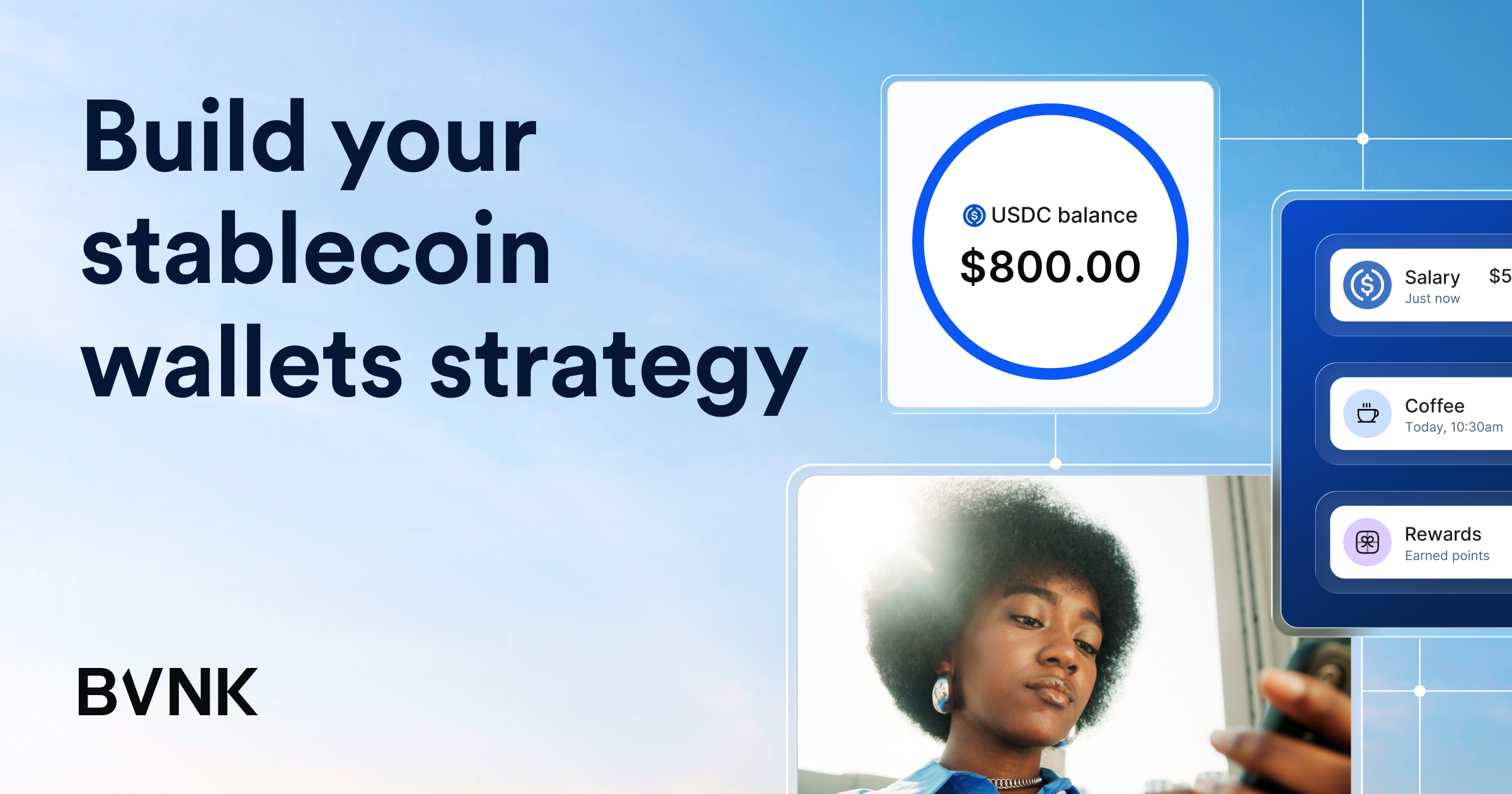
Once you've defined your needs, choose a payment processor or wallet that integrates seamlessly with your existing accounting software. Look for providers that offer automatic reconciliation and API access for high-volume operations. Avoid solutions that require manual conversion steps, as these introduce friction and potential for error. The best tools allow you to send USDC and receive fiat (or vice versa) with a single click, mimicking the ease of a bank transfer while retaining the speed of blockchain.
| Feature | USDC | Traditional Wire |
|---|---|---|
| Settlement Time | Seconds | 1-3 Business Days |
| Avg. Cost (Small Transfer) | $0.50 - $2.00 | $15 - $30 |
| Regulatory Clarity | Medium (Evolving) | High |
| Accessibility | Global (Internet Required) | Bank Account Required |



As an Amazon Associate, we may earn from qualifying purchases.
Spotting the Weak Links in USDC Remittance Claims
Not every provider offering USDC transfers actually solves the remittance problem. Many services simply wrap traditional banking rails with a crypto label, keeping fees high while adding settlement risk. When evaluating a USDC remittance strategy, you need to look past the marketing of "instant" transfers and examine the actual on-chain mechanics and fiat off-ramps.
The Hidden Costs of "Instant" Settlements
Providers often advertise speed but hide the spread in the exchange rate. A true USDC remittance advantage comes from avoiding the SWIFT network entirely, not just speeding up the same expensive process. If a provider charges a flat fee plus a wide currency spread, you are not saving money. Look for platforms that offer transparent, real-time exchange rates and low, fixed transaction fees. BCRemit, for example, integrates Circle’s infrastructure to reduce costs significantly, but only if you understand the full fee structure before sending. Read BCRemit case study.
Misleading "Stablecoin" Stability Claims
Some platforms claim their stablecoins are "risk-free," which is a dangerous oversimplification. USDC is backed by short-duration US Treasuries and cash, but it is not FDIC-insured. During the Silicon Valley Bank crisis, USDC briefly de-pegged because a portion of its reserves was held at SVB. While Circle recovered quickly, this event highlighted a critical vulnerability: reserve transparency matters. Always verify that the stablecoin issuer publishes monthly attestation reports from independent accounting firms. If a provider uses a lesser-known stablecoin with opaque reserves, the risk to your remittance capital is unacceptable.
The XRP Confusion
A common mistake is conflating USDC with XRP for cross-border payments. XRP is a native asset on the XRP Ledger, designed for liquidity provision, while USDC is a tokenized dollar on multiple chains. They serve different purposes. XRP can be faster for certain corridors due to its native settlement layer, but USDC offers broader compatibility with existing financial infrastructure and stable value. Do not assume XRP is the only alternative; USDC remains the preferred choice for businesses needing dollar stability without currency fluctuation risk. For SMEs, pairing virtual USD accounts with USDC can reduce exposure to local currency volatility, as noted by Muralpay. See Muralpay analysis.
Decision Checklist
Before committing to a USDC remittance provider, ask these three questions:
- Where are the reserves held? Ensure the issuer publishes regular, third-party attestations.
- What is the total cost? Calculate the exchange rate spread plus transaction fees, not just the advertised fee.
- How does the fiat off-ramp work? Verify that the provider has reliable partnerships for converting USDC to local currency in the recipient’s country.
If a provider cannot answer these clearly, it is likely a weak option. Stick to established infrastructure with transparent operations.
Usdc remittance strategy: what to check next
Before committing to a USDC-based workflow, it helps to understand the mechanics, risks, and broader market context. Below are the most common practical objections and the data behind them.
No comments yet. Be the first to share your thoughts!