Usdc remittance limits to account for
Using USDC for cross-border settlements offers speed and lower fees than traditional wire transfers, but it is not a frictionless process. The infrastructure relies on public blockchains, which introduces specific operational constraints that businesses must navigate. Unlike a bank transfer where the institution manages the entire flow, USDC remittance requires the sender to select a network, manage gas fees, and ensure the recipient’s wallet supports the chosen chain.
The primary constraint is network compatibility. USDC is issued on multiple blockchains, including Ethereum, Solana, and Polygon. Sending USDC on Ethereum can be prohibitively expensive for small remittances due to gas fees, while Solana offers speed and low cost but has a different ecosystem of supported wallets and exchanges. Choosing the wrong network can result in lost funds or excessive costs. Additionally, while USDC is pegged to the US dollar, it is not legal tender. Recipients must convert it to local currency through an exchange or payment processor, introducing counterparty risk and potential delays.
Compliance also plays a central role. Circle, the issuer of USDC, works with regulated financial institutions, but individual remittance providers must adhere to local anti-money laundering (AML) and know-your-customer (KYC) regulations. This means that even if the blockchain transaction is instant, the fiat on-ramp or off-ramp may take days to process. For high-volume B2B payments, this friction can negate the benefits of using stablecoins. Therefore, USDC is best suited for use cases where speed is critical and the parties involved are already integrated into the crypto ecosystem.
For most remitters, the decision hinges on the tradeoff between cost, speed, and regulatory clarity. Traditional banks offer high trust and regulatory oversight but slow settlement times and high fees. USDC offers near-instant settlement and low fees but requires technical integration and carries regulatory uncertainty in some jurisdictions. The best network to send USDC on depends on the recipient’s location and preferred exchange. For example, sending USDC on Solana is often cheaper and faster than on Ethereum, but the recipient must be able to access Solana-based wallets.
Usdc remittance choices that change the plan
Choosing USDC for cross-border settlements requires balancing speed, cost, and regulatory compliance. While USDC offers near-instant finality compared to traditional wire transfers, the total cost of sending money depends heavily on the underlying blockchain network and the on-ramp/off-ramp providers you use.
Network selection and fees
The choice of blockchain network is the primary driver of transaction costs. Sending USDC on Ethereum mainnet can be expensive during peak hours, whereas layer-2 solutions or alternative chains like Solana offer significantly lower fees. For high-volume remittances, network fees can consume a substantial portion of the transfer, especially for smaller amounts.
Settlement speed and liquidity
USDC transactions typically settle in seconds or minutes, depending on the network. This speed is a major advantage over SWIFT, which can take days. However, liquidity varies by region and fiat pair. Converting USDC to local currency in emerging markets may require multiple hops or specialized liquidity providers, which can introduce delays and hidden spread costs.
Regulatory and compliance risks
USDC is issued by Circle and is fully backed by cash and short-dated U.S. Treasuries, providing a layer of transparency and stability. However, regulatory scrutiny of stablecoins is increasing. Businesses must ensure their chosen payment rails comply with local anti-money laundering (AML) and know-your-customer (KYC) regulations. Non-compliance can lead to frozen funds or account closures.
Bank integration and fiat off-ramps
Directly cashing out USDC to a bank account often involves third-party payment processors. These services charge fees for the conversion and transfer. The reliability of these off-ramps varies; some may have strict limits or require extensive verification. For businesses, integrating directly with banking partners who support stablecoin settlement can reduce friction and cost.
| Factor | USDC | Traditional Wire | Crypto Exchange |
|---|---|---|---|
| Settlement Time | Seconds to minutes | 1-5 business days | Minutes to hours |
| Average Fee | $0.01 - $0.10 (network dependent) | $15 - $50 per transaction | 0.1% - 1.0% + spread |
| Regulatory Clarity | High (Circle audits) | Established | Variable by jurisdiction |
| Accessibility | Global (internet required) | Bank-dependent | Wide but fragmented |
Decision framework
For small, frequent remittances, low-fee networks like Solana or Layer-2 Ethereum solutions are optimal. For large institutional transfers, the reliability and regulatory compliance of USDC outweigh the minor fee differences with traditional wires. Always calculate the total landed cost, including conversion spreads, not just the network fee.
Choose the next step
The USDC Remittance Infrastructure works best as a clear sequence: define the constraint, compare the realistic options, test the tradeoff, and choose the path with the fewest hidden costs. That order keeps the advice usable instead of decorative. After each step, pause long enough to check whether the recommendation still fits the reader's actual situation. If it depends on perfect timing, unusual access, or a best-case budget, include a simpler fallback.

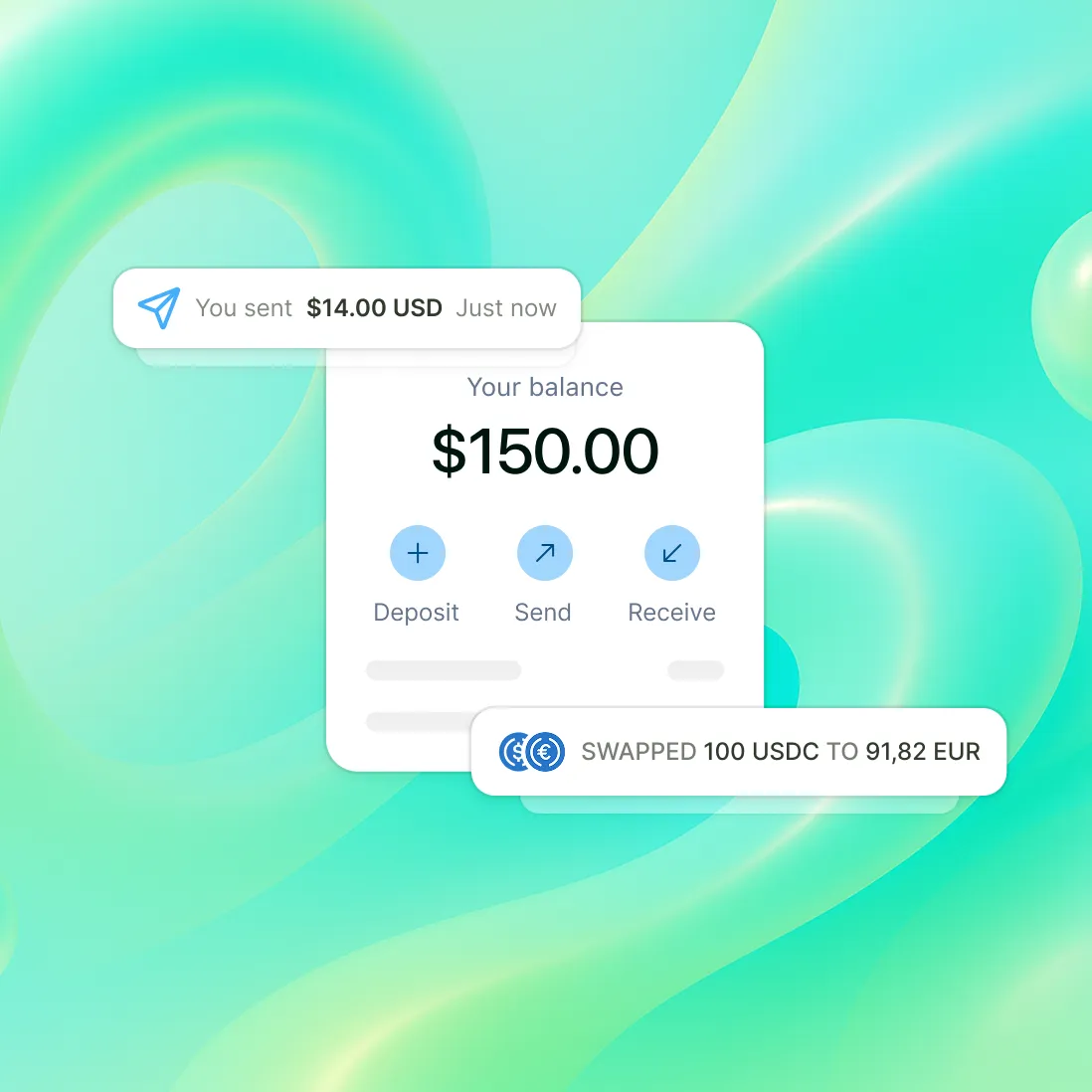

Avoiding Weak USDC Remittance Options
Not all USDC pathways are equal. Some networks promise speed but suffer from poor liquidity, while others hide fees in wide spreads. Understanding the tradeoffs between networks like Solana, Ethereum, and Stellar prevents costly mistakes.
Common Misleading Claims
Many providers claim "zero fees," but this often excludes network gas costs or unfavorable exchange rates. Always check the total landed amount. For example, sending on Ethereum during peak times can cost more than the transfer itself. Solana offers lower costs but requires checking if the recipient’s wallet supports it. Stellar is reliable for fiat on-ramps but has less developer adoption for complex integrations.
Weak Options to Skip
Avoid using high-fee Layer 1 networks for small transfers. If you are sending less than $100, Ethereum mainnet is rarely cost-effective. Similarly, some exchanges hold funds for days, defeating the purpose of instant settlement. Stick to networks with deep liquidity pools for your target currency pair.
How to Send Money on USDC
- Choose a network based on recipient support (e.g., Solana for speed, Ethereum for broad exchange support).
- Verify the recipient’s address on the same network to avoid loss.
- Use a provider that offers real-time FX rates, not just spot prices.
Transferring USDC to USD
To cash out, use a regulated exchange or payment processor that supports direct bank deposits. Circle’s own infrastructure allows for direct USD redemptions, ensuring 1:1 backing. Always verify the provider’s compliance status to ensure your funds are protected.
Usdc remittance: what to check next
Helpful gear
Use these product recommendations as a starting point, then choose the size, material, and price point that fit how you actually use the gear.

As an Amazon Associate, we may earn from qualifying purchases.
No comments yet. Be the first to share your thoughts!