Usdc remittance limits to account for
Using USDC for cross-border settlements offers speed and transparency, but it introduces specific operational constraints that differ from traditional banking rails. Unlike fiat transfers, USDC does not move automatically to a bank account; it requires a two-step process involving on-chain settlement followed by an off-ramp through a regulated exchange or payment provider. This structural difference means the "best" network depends entirely on where the recipient is located and which local financial institutions support the necessary liquidity.
The choice of blockchain network dictates both cost and finality. Stellar remains the most affordable option for pure on-chain transfers, costing fractions of a cent, but it lacks the broad exchange support found on Solana or Ethereum. Solana offers a practical middle ground with near-instant finality and low fees, while Ethereum provides deep liquidity but at significantly higher transaction costs. For most remittance use cases, the network must align with the recipient's ability to cash out, not just the sender's preference for low fees.
Regulatory compliance adds another layer of friction. USDC is issued by Circle and backed 1:1 by cash and short-dated US Treasuries, ensuring stability, but it is not immune to jurisdictional restrictions. Cross-border flows must navigate anti-money laundering (AML) checks at both the on-ramp and off-ramp stages. This means that while the blockchain transaction may settle in seconds, the overall remittance timeline is often determined by the compliance review periods of the fiat conversion partners, not the network speed.
Usdc remittance choices that change the plan
Choosing a USDC remittance path requires balancing speed, cost, and on-ramp friction. While USDC offers near-instant settlement compared to traditional wire transfers, the total cost and reliability depend heavily on the blockchain network selected and the final destination’s liquidity. There is no single best network; the right choice shifts based on whether you prioritize lowest fees, highest exchange support, or specific regional banking integrations.
Network Costs and Speed
The underlying blockchain determines your base transaction fee and settlement time. Stellar offers the lowest cost at roughly $0.00001 per transfer, making it ideal for high-volume, low-value remittances. Solana provides a practical middle ground with approximately $0.0003 fees and ~400ms finality, backed by deeper support from major exchanges. Base, Polygon, and Avalanche settle for about $0.01, while Ethereum remains expensive at $2–$5, reserved only for destinations that strictly require it.
Liquidity and On-Ramp Friction
Even with cheap network fees, the cost to convert fiat to USDC and back to local currency can erase savings. Major exchanges like Coinbase and Kraken support USDC on multiple networks, but liquidity varies by region. In some markets, stablecoin-to-fiat pairs are thin, leading to higher slippage. Always verify that your recipient’s payout partner accepts USDC on your chosen network before initiating a transfer.
Comparison of Remittance Networks
| Network | Est. Fee per Tx | Finality | Best Use Case |
|---|---|---|---|
| Stellar | $0.00001 | Seconds | Micro-transfers, highest cost sensitivity |
| Solana | $0.0003 | ~400ms | Balanced cost/speed, broad exchange support |
| Base / Polygon | ~$0.01 | Seconds | Ecosystem compatibility, lower-tier networks |
| Ethereum | $2–$5 | Minutes | Legacy banking integration, high-value moves |
When to Use Which Network
Use Stellar if you are sending small amounts to recipients in regions with strong Stellar-based payout infrastructure. Use Solana for most general-purpose remittances where speed and low cost are both critical, and you need reliable exchange support. Avoid Ethereum unless your recipient’s bank or wallet only accepts USDC on mainnet, as the fees can exceed 1% of the transfer value for amounts under $500.
| Network | Est. Fee | Speed | Exchange Support |
|---|---|---|---|
| Stellar | $0.00001 | Seconds | Moderate |
| Solana | $0.0003 | ~400ms | High |
| Base | ~$0.01 | Seconds | High |
| Polygon | ~$0.01 | Seconds | High |
| Ethereum | $2–$5 | Minutes | Very High |
How to Choose the Right USDC Remittance Path
Sending USDC across borders is no longer a single decision but a routing problem. The "best" network depends on whether you prioritize speed, cost, or destination compatibility. There is no universal winner; Ethereum offers deep liquidity but high fees, while Layer 2s and alternative L1s provide speed at the expense of narrower bank on-ramps.
Use this framework to select the appropriate infrastructure for your specific settlement needs.
If your recipient needs funds within minutes, avoid Ethereum Mainnet. Its 12-15 second block times and congestion can delay finality. Instead, select networks with sub-second finality like Solana (~400ms) or Base. For standard business settlements where same-day arrival is sufficient, Polygon or Avalanche offer reliable throughput for roughly $0.01 per transaction.
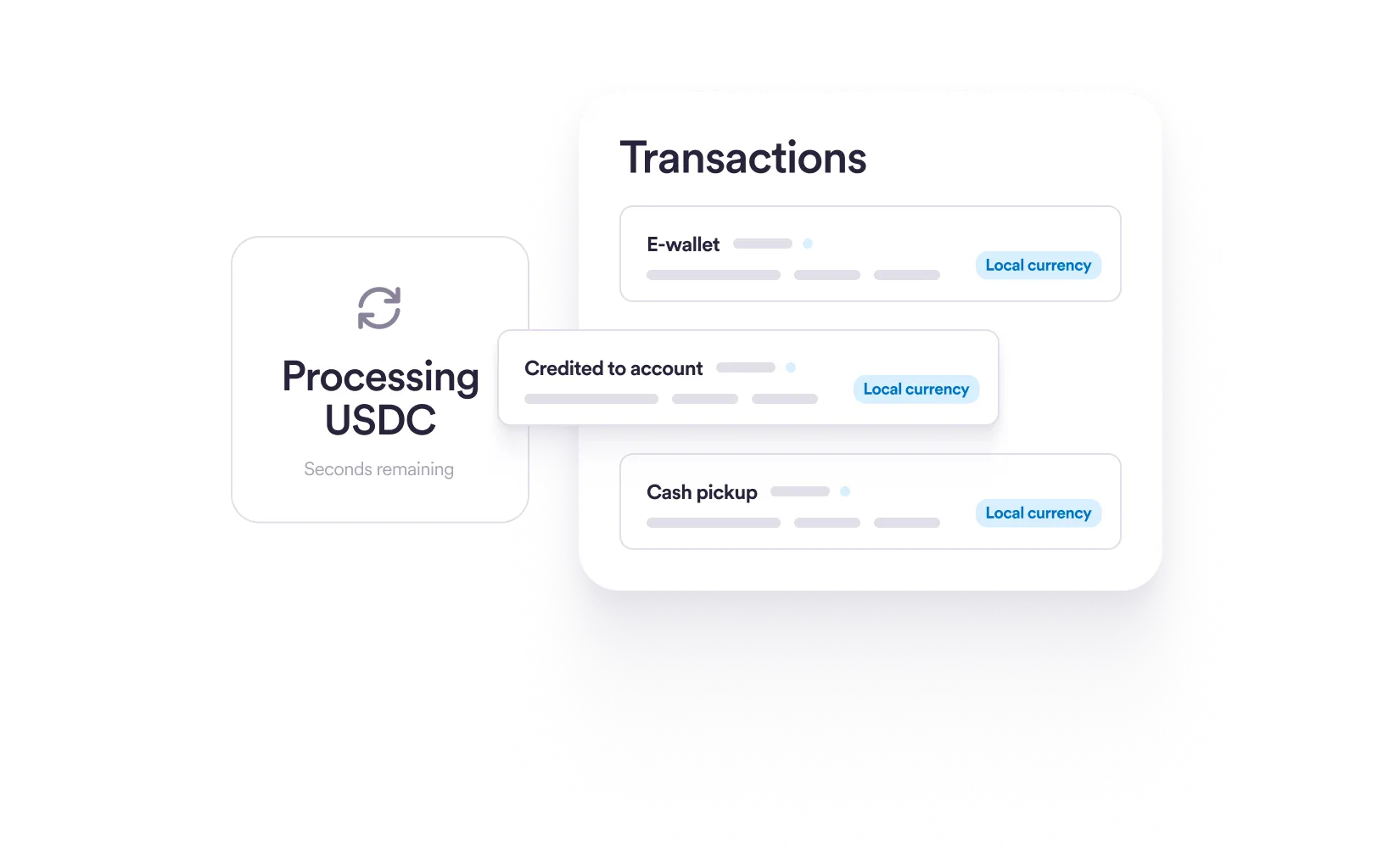
The network you choose dictates where the money can go. USDC on Solana has deeper support from major exchanges like Coinbase and Kraken, making it easier for recipients to cash out. USDC on Stellar is the most affordable option at roughly $0.00001 per transfer, ideal for high-volume, low-value remittances, but it requires a recipient familiar with the Stellar ecosystem. If your recipient relies on a specific bank or exchange, verify which network that institution supports before sending.
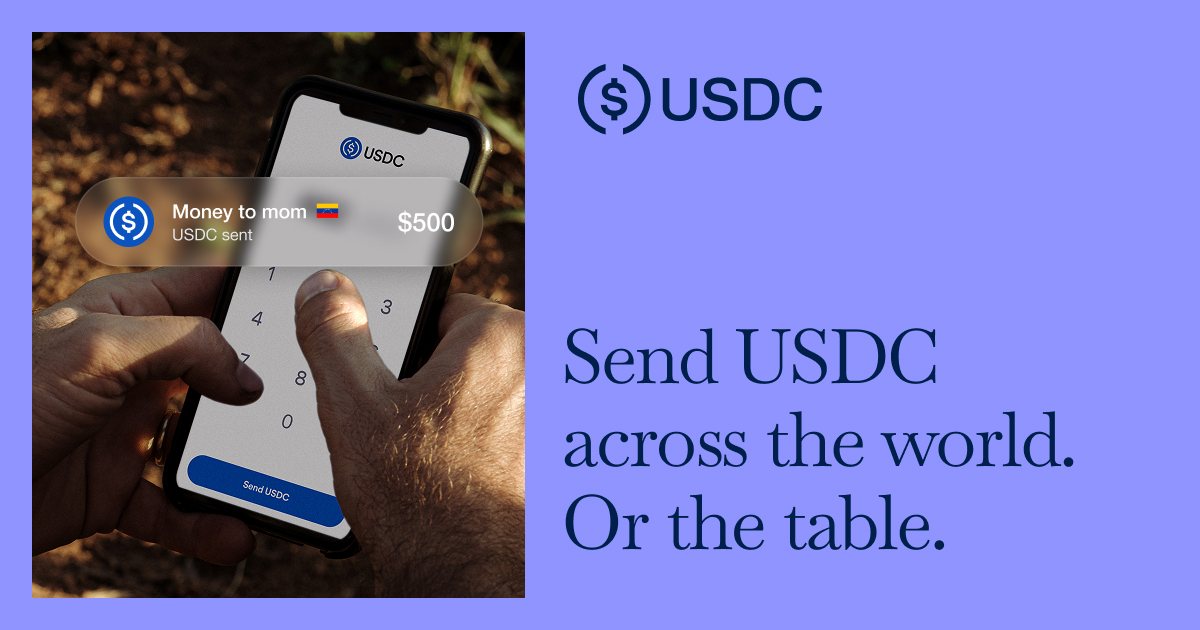
Gas fees vary wildly. Ethereum Mainnet costs $2 to $5 per transaction, which is viable for large institutional settlements but prohibitive for personal remittances. Layer 2 solutions like Base and Arbitrum settle for about $0.01. Always calculate the fee as a percentage of the transfer amount; for small transfers, a $2 fee is a 20% loss, whereas for a $10,000 business payment, it is negligible.
USDC is issued by Circle and backed 100% by cash and short-dated U.S. Treasuries, making it the most compliant stablecoin for institutional use. However, some jurisdictions restrict certain networks. Ensure your remittance provider supports the specific chain you select. For cross-border payments, using a regulated provider like Stripe or Circle’s own API ensures you remain within legal boundaries while leveraging the blockchain’s efficiency.
| Network | Avg. Cost | Speed | Best For |
|---|---|---|---|
| Stellar | ~$0.00001 | ~3s | High-volume, low-value remittances |
| Solana | ~$0.0003 | ~400ms | Fast, low-cost personal transfers |
| Base / Polygon | ~$0.01 | ~2s | Balanced cost and exchange support |
| Ethereum | $2 - $5 | ~15s | Large institutional settlements |
Disclaimer: This article is for informational purposes only and does not constitute financial advice. Cryptocurrency transactions are irreversible. Always verify network details before sending.
Spotting Weak Options and Misleading Claims
Many guides promote USDC as a universal fix for cross-border payments, but that narrative ignores critical infrastructure gaps. The most common mistake is assuming all USDC transactions are equal. While Circle backs USDC 1:1 with cash and cash-equivalents, the actual cost and speed depend entirely on the underlying blockchain and the on-ramp provider you choose.
The Ethereum Trap
Ethereum remains the most visible network for USDC, yet it is often the worst choice for remittances. With gas fees ranging from $2 to $5 per transaction, small transfers lose significant value to network costs. You should only use Ethereum if the receiving bank or institution specifically requires it. For most personal or small business remittances, this layer adds unnecessary friction and expense.
The "Cheapest" Network Fallacy
Stellar offers the lowest technical cost at roughly $0.00001 per transfer, but it lacks the liquidity and exchange support needed for reliable remittances. Solana is the practical winner here, costing about $0.0003 with ~400ms finality. Other networks like Base, Polygon, and Avalanche settle for around $0.01. Choosing the absolute cheapest network without verifying destination support often leads to failed transfers or frozen funds.
Hidden Conversion Fees
The biggest hidden cost isn't the blockchain fee—it's the conversion spread. Many platforms advertise "zero transaction fees" but apply a 1-2% spread when converting fiat to USDC or USDC to local currency. Always check the final fiat amount received. A platform with lower network fees but higher conversion spreads will cost you more in the long run than a slightly more expensive network with transparent rates.
Usdc remittance: what to check next
Helpful gear
Use these product recommendations as a starting point, then choose the size, material, and price point that fit how you actually use the gear.

As an Amazon Associate, we may earn from qualifying purchases.
No comments yet. Be the first to share your thoughts!