Why USDC is reshaping cross-border payments
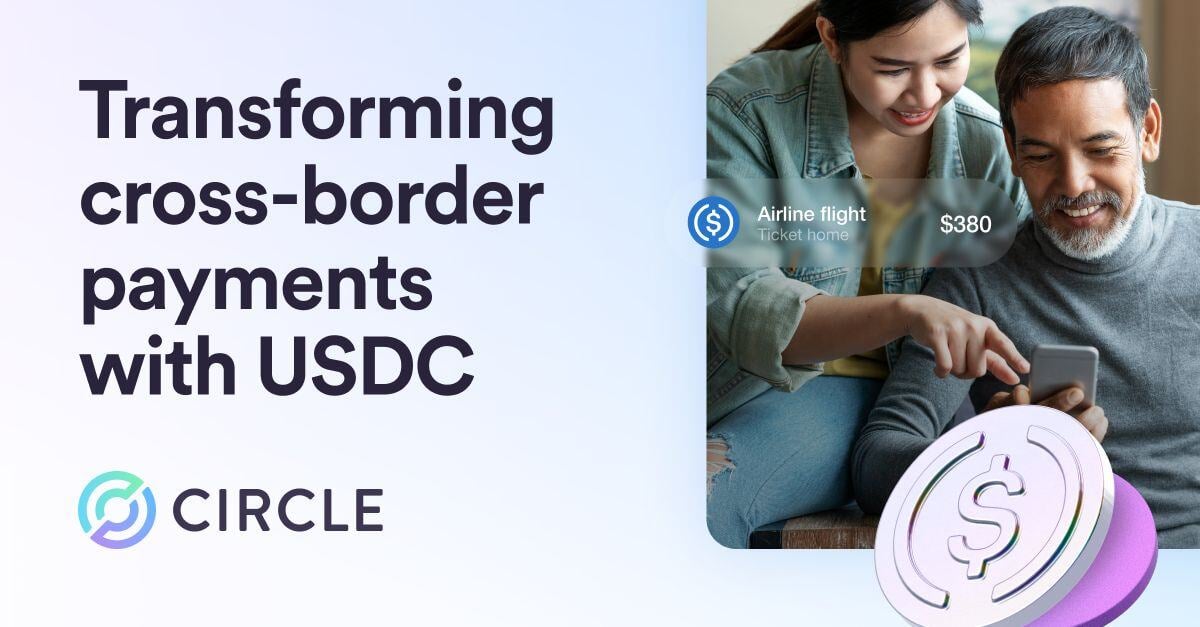
The traditional remittance corridor is built on layers of intermediaries that slow down settlement and inflate costs. USDC changes this by acting as a direct settlement layer. Instead of routing money through correspondent banks, senders convert local currency into USDC and transfer it directly to the recipient's wallet. This shift moves cross-border payments from a multi-day banking cycle to a matter of minutes, regardless of the destination.
The economic advantage is immediate. By removing the need for pre-funded nostro accounts and reducing intermediary fees, USDC remittances often cost a fraction of traditional wire transfers. For migrant workers sending money home, these savings compound significantly over time. The efficiency isn't just about speed; it's about preserving the value of the remittance itself.
Stability is the foundation of this utility. USDC maintains its peg to the US dollar by holding reserves in cash and short-dated US Treasury securities, audited regularly by independent firms. This transparency ensures that users can rely on the value of their transfers without exposure to the volatility seen in other digital assets. The result is a payment rail that feels familiar—using dollars—but operates with the speed of modern technology.
USDC vs. traditional money transfers
When comparing USDC-based settlements to legacy providers like Western Union or MoneyGram, the differences in cost and speed are immediate. Traditional remittance services often charge high fees and take several days to settle, while USDC transactions typically settle in minutes with significantly lower costs.
Cost comparison
Traditional remittance services can charge fees ranging from 5% to 10% or more, especially for smaller amounts. In contrast, USDC transactions on networks like Solana or Stellar can cost fractions of a cent, and even on Ethereum, fees are often lower than traditional wire transfers. For example, sending $500 to Colombia via USDC can save up to 50% in fees compared to traditional methods, according to industry averages.
Speed and availability
Legacy money transfer services often rely on banking hours and intermediary banks, which can delay settlements by 1-3 business days. USDC, however, operates 24/7 and settles in minutes, regardless of holidays or weekends. This near-instant settlement is a core operational promise of stablecoin-based remittances, eliminating the need for pre-funded local accounts.
Reliability and transparency
Traditional providers may have opaque fee structures and exchange rate markups. USDC transactions are transparent, with fees visible upfront and no hidden exchange rate differences. Additionally, USDC is pegged to the US dollar, maintaining a stable value, which reduces currency fluctuation risks during transfers.

![uni USB C to Ethernet Adapter, Driver Free RJ45 to USB C [Thunderbolt 3/4 Compatible], 1Gbps Type-C Gigabit Ethernet LAN Network Adapter for MacBook Pro/Air, iPhone 15 Pro/Max, Dell XPS, Galaxy S8-S24](https://m.media-amazon.com/images/I/61bq8oQDrWL._AC_UY654_QL65_.jpg)

As an Amazon Associate, we may earn from qualifying purchases.
Infrastructure choices for remittance operators
Building a stablecoin remittance pipeline requires more than just choosing a currency; it demands a specific stack of on/off-ramps, custody solutions, and blockchain networks. For operators, the decision often boils down to how much control they want over the flow versus how much compliance overhead they can absorb.
The operational model usually falls into two camps. A closed-loop model keeps funds in fiat for the sender and receiver, using stablecoins only as a mid-layer settlement asset. This reduces friction for end-users who don't hold crypto wallets but requires robust banking partnerships to handle the fiat entry and exit points. An open-loop model allows users to hold and send USDC directly, shifting the custody and security burden to the user or a third-party wallet provider. Most traditional remittance companies start with the closed model to maintain familiarity for their customer base.
On-ramp and off-ramp providers
The reliability of your fiat entry and exit points determines your service's uptime. You need partners that can handle high-volume, low-margin transactions across multiple jurisdictions. Look for providers with established banking relationships in both the sending and receiving countries. If your on-ramp partner has a banking issue in a specific corridor, your entire service goes down. Prioritize providers with transparent fee structures and real-time settlement capabilities to avoid capital being stuck in transit.
Custody solutions
For the corporate side of the ledger, self-custody offers lower fees but higher security risk. Multi-signature wallets or institutional custody providers like Fireblocks or Copper offer a middle ground, requiring multiple approvals for transactions. This is critical for compliance; if you are moving millions in USDC, you need audit trails that satisfy regulators. For consumer-facing apps, non-custodial wallets reduce your liability but require excellent user experience design to prevent lost keys.
Blockchain selection
The choice of network affects speed and cost. Solana and Stellar are popular for remittance due to their low fees and high throughput. Ethereum L2s like Base or Arbitrum offer security and Ethereum compatibility but may have slightly higher variability in costs. The network you choose must align with where your users and partners already have wallets. If your receiving partners in the Philippines use GCash or Maya, ensure your infrastructure supports the stablecoin standards they accept.
Market adoption trends and real-world cases
The conversation around stablecoins is shifting from theoretical benefits to tangible infrastructure. Major financial players are no longer just experimenting; they are building the rails that make USDC a practical tool for global transfers. This section looks at how established remittance providers and tech giants are integrating USDC to solve specific pain points like speed and cost.
BCRemit and the Latin American Corridor
BCRemit has integrated Circle’s USDC to streamline transfers between the United States and Latin America. By using USDC, the platform offers faster settlement times compared to traditional banking networks. This approach appeals to users who need money to move quickly without the friction of intermediary banks. The integration demonstrates how regulated remittance firms can leverage stablecoin infrastructure to improve the user experience while maintaining compliance.
Meta, Stripe, and Creator Payouts
In the digital economy, USDC is becoming the standard for cross-border creator payouts. Meta recently activated USDC payments for creators in Colombia and the Philippines through Stripe’s Link wallet. This integration allows creators to receive earnings on Solana and Polygon, reducing the delay and fees associated with traditional payout methods. It signals a broader trend where social platforms are adopting open stablecoin infrastructure to support global talent.
Institutional Adoption and Wallet Innovation
Beyond remittance and social payouts, institutional players are expanding access. Mastercard and MoneyGram have partnered with Stellar to introduce non-custodial wallets that bridge crypto and fiat using USDC. This move lowers the barrier to entry for users who might be hesitant to manage private keys directly. It reflects a growing industry focus on making stablecoin usage as simple as using a debit card, while still offering the underlying benefits of blockchain settlement.
No comments yet. Be the first to share your thoughts!